What is An Electric Blower and What can it do?
2025-07-23
An electric blower is a power tool or device that employs an electric motor to drive a fan or impeller, generating a forceful, focussed jet of air. Its main purpose is to move air using electricity (rather than gasoline or other fuels) in order to circulate air, blow away debris, or offer ventilation.
Main Conponents
Typically, an electric blower includes:
Typically, an electric blower includes:
Electric motor: The power source, which can be DC (battery-powered for portability) or AC (connected into a wall socket).
Impeller/fan: A rotating component with blades that draws in air and expels it at high speed.
Housing: Encloses the motor and impeller, often with a nozzle to direct the airflow.
Housing: Encloses the motor and impeller, often with a nozzle to direct the airflow.
Controls: On/off switches, speed controls, and (in certain models) reverse airflow switches.
Electric Blower Types
They are categorized by use case and design:
Handheld blowers: Small, lightweight, and battery-powered or corded. Ideal for small tasks like clearing leaves from patios, dust from shelves, or debris from car engines.
Backpack blowers: Larger, battery-powered or corded, worn on the back for extended use. Used for heavier tasks such as clearing large yards, driveways, or construction sites.
Shop blowers (bench/desktop): Stationary or portable units for workshops. They blow sawdust, metal shavings, or dust from workbenches or machinery.
Leaf blowers: A common subtype (handheld or backpack) designed specifically for outdoor use, clearing leaves, grass clippings, or snow from lawns and walkways. Some models can also vacuum debris when reversed.
Backpack blowers: Larger, battery-powered or corded, worn on the back for extended use. Used for heavier tasks such as clearing large yards, driveways, or construction sites.
Shop blowers (bench/desktop): Stationary or portable units for workshops. They blow sawdust, metal shavings, or dust from workbenches or machinery.
Leaf blowers: A common subtype (handheld or backpack) designed specifically for outdoor use, clearing leaves, grass clippings, or snow from lawns and walkways. Some models can also vacuum debris when reversed.

Application:
- Outdoor: Clearing leaves, grass, snow, or dirt from yards, sidewalks, or parking lots.
- Indoor: Dusting furniture, cleaning vents, drying wet surfaces (e.g., after mopping), or ventilating small spaces.
- Industrial/Workshop: Removing debris from machinery, cooling hot equipment, or moving light materials (e.g., sawdust in woodshops).
Compared to Fuel-Powered Blowers
- Eco-friendly: No exhaust fumes (unlike gasoline blowers), making them better for indoor use and reducing air pollution.
- Quieter: Electric motors produce less noise than gas engines.
- Low maintenance: No need for fuel, oil changes, or spark plug replacements.
- Convenience: Corded models have unlimited runtime (with a power source), while battery-powered ones offer portability without cords.
In a word, electric blowers are versatile, efficient tools for any task requiring controlled, high-speed airflow—from household cleaning to outdoor maintenance.
What are the different types of electric blowers?
Cordless Rotary Hammer Drill Features and Advantages
Related Article
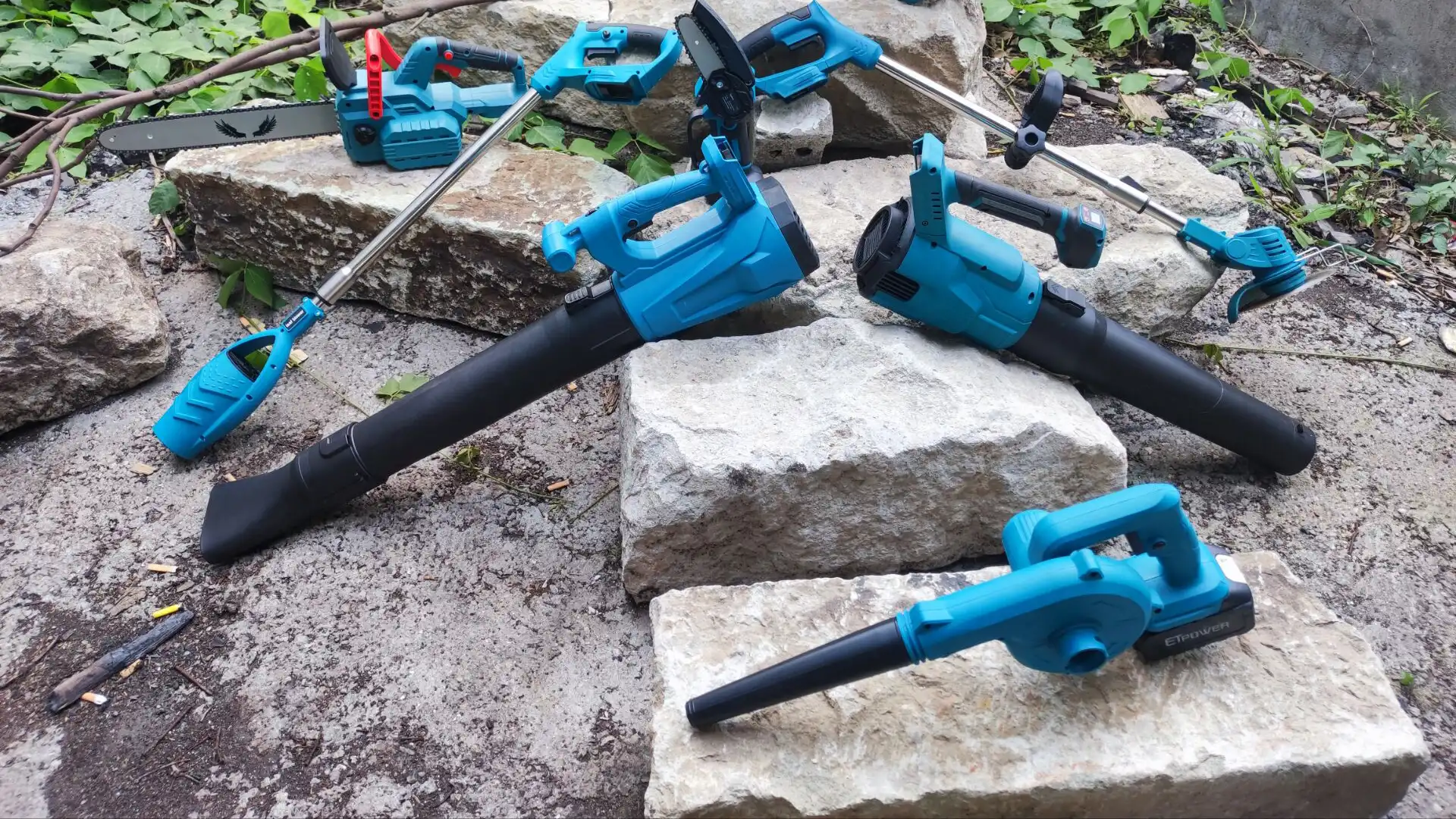
There is a wide variety of garden tools, and here are some you should know about:
we here put focus on following garden tools in everday use.
we here put focus on following garden tools in everday use.
Varies Kinds of Garden Tools You Should Know
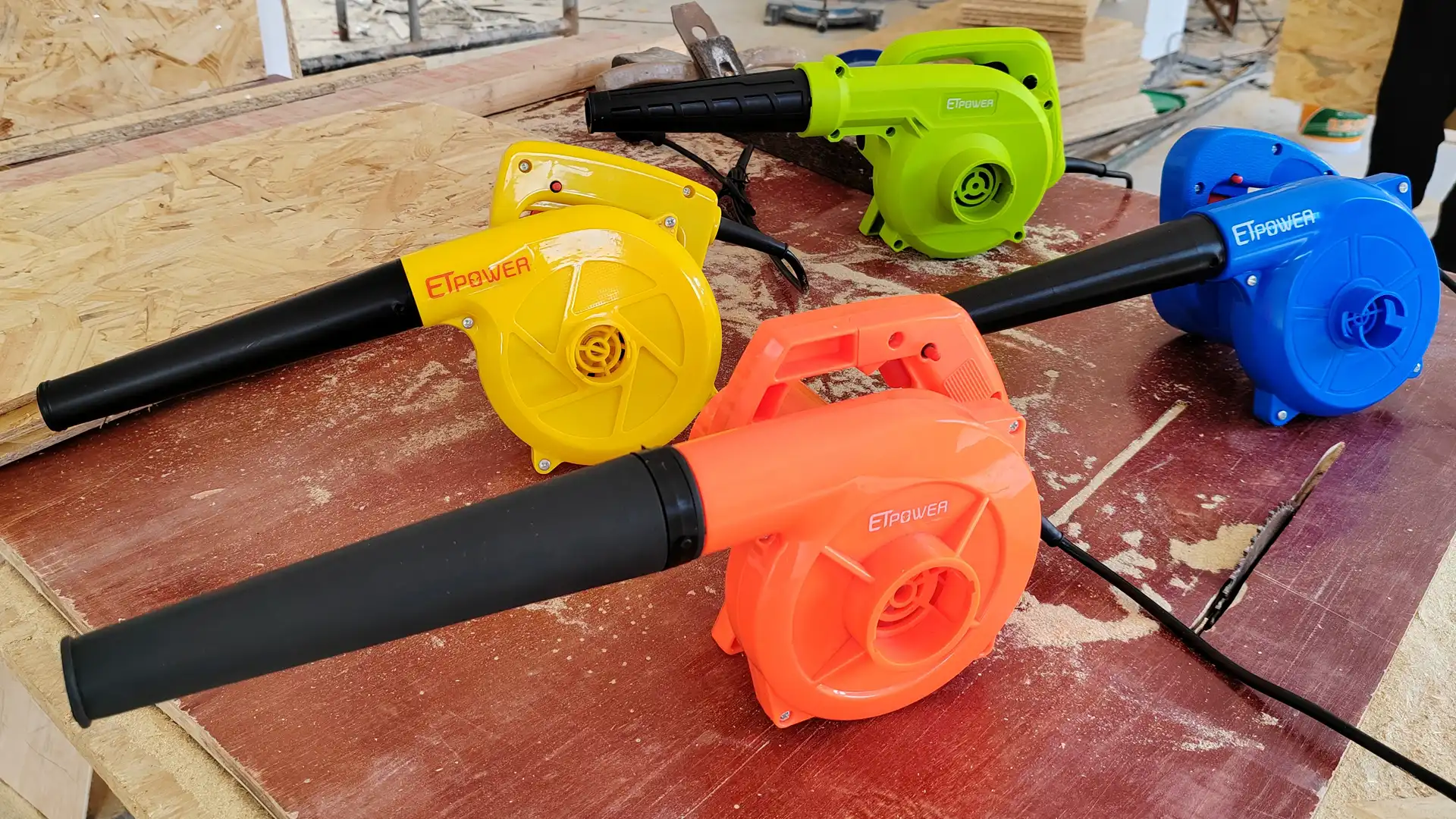
Electric blowers are categorized based on their design, portability, and primary use cases.
What are the different types of electric blowers?