What are the different types of electric blowers?
2025-07-23
Electric blowers are divided into groups according to their main applications, portability, and design. Here is a thorough explanation of the primary kinds, including their characteristics, common uses, and salient advantages and disadvantages:
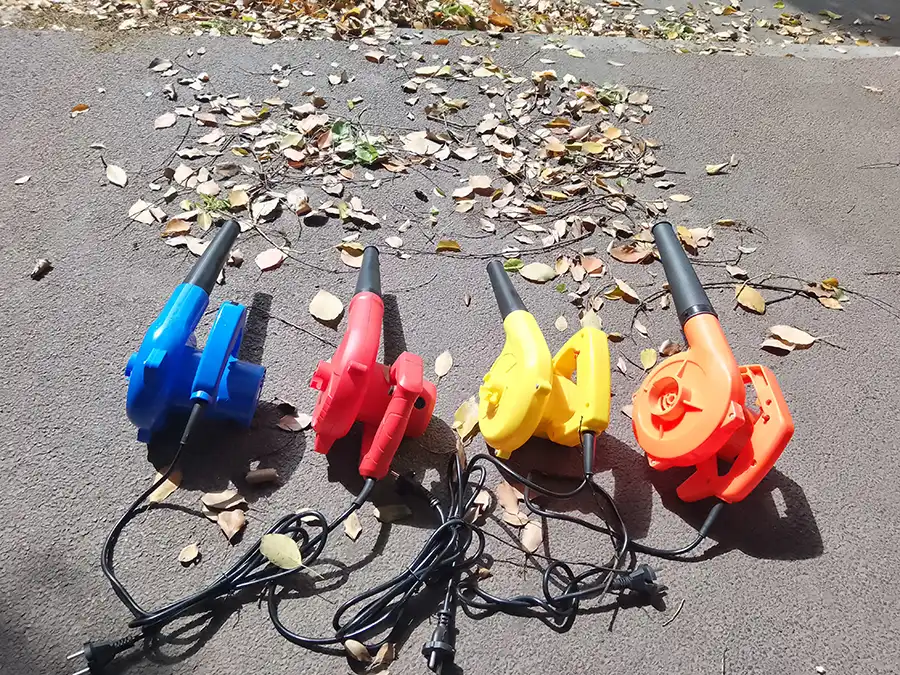
1. Handheld Electric Blowers
These are the lightest and smallest kind, and they are made to be easily operated with one hand.
-
Design: Compact, with a simple structure (motor, impeller, and a short nozzle). Powered by either:
- Corded: Plugged into an AC outlet (unlimited runtime but limited by cord length).
- Battery-powered: Rechargeable lithium-ion batteries (portable but runtime depends on battery capacity).
-
Key Features:
- Lightweight (1–3 kg/2–7 lbs).
- Variable speed settings (low for delicate tasks, high for debris).
- Some models include a “reverse” function to switch between blowing and light vacuuming (e.g., for small leaves or dust).
-
Best For:
- Small-scale outdoor tasks: Clearing leaves from patios, sidewalk edges, or flower beds; blowing grass clippings off driveways.
- Indoor tasks: Dusting shelves, cleaning window sills, drying wet surfaces (e.g., after washing a car), or removing crumbs from kitchen floors.
-
Pros: Affordable, easy to store, ideal for quick, light jobs.
-
Cons: Limited airflow power (compared to larger models); corded versions restrict movement; battery models may need recharging for longer tasks.
2. Knapsack Electric Blowers
These, which are worn on the back via shoulder straps and distribute weight for comfort during prolonged usage, are larger and more potent than portable devices.
-
Design: A larger motor and impeller housed in a backpack-style unit, with a long, flexible hose and nozzle for directing airflow. Powered by:
- High-capacity batteries: For portability (common in modern models).
- Corded: Rare, but used in fixed areas (e.g., parks) with nearby outlets.
-
Key Features:
- Heavier (4–8 kg/9–18 lbs) but balanced for back support.
- Higher airflow volume (measured in CFM, cubic feet per minute) and speed (MPH, miles per hour) than handhelds.
-
Best For:
- Medium to large outdoor areas: Clearing leaves from large lawns, blowing snow from long driveways, or cleaning construction debris from job sites.
- Professional use (e.g., landscapers, groundskeepers) due to extended runtime and power.
-
Pros: Powerful, comfortable for long use, portable (with batteries).
-
Cons: More expensive than handhelds; battery models require charging; bulkier to store.
3. Shop/Workshop Blowers
Designed for indoor or industrial use, these blowers focus on precision and durability for workshop environments.
-
Design: Can be handheld, bench-mounted, or even wall-mounted. They often have a narrow nozzle for targeted airflow and may include a “blast” mode for heavy debris.
-
Key Features:
- Rugged construction (to withstand dust, sawdust, or metal shavings).
- Some are high-pressure (for dislodging stubborn debris) rather than high-volume.
-
Best For:
- Workshop tasks: Blowing sawdust from woodworking benches, metal shavings from machining stations, or dust from power tools (e.g., drills, sanders).
- Industrial cleaning: Drying parts after washing, cooling overheated equipment, or clearing vents in factories.
-
Pros: Durable, precise airflow, suitable for harsh environments.
-
Cons: Less versatile for outdoor use; some are stationary (not portable).
4. Specialized Electric Blowers
These are tailored to niche tasks, often with unique features:
-
Leaf Blower-Vacuums: A subtype of handheld or backpack blowers with a reversible motor. They can blow leaves or switch to vacuum mode to collect debris into a bag (useful for reducing yard waste volume).
-
Snow Blowers (Electric): Smaller than gas-powered snow blowers, these use high-velocity air to clear light snow (1–3 inches) from walkways or car windshields. They’re lighter and easier to store than mechanical snow blowers.
-
Drying Blowers: Used for drying surfaces quickly—e.g., in car washes (to dry vehicles after washing), or in kitchens (to dry dishes or countertops). They often have low-heat settings to avoid damaging surfaces.
Essentially,the type of electric blower you choose depends on the task size, portability needs, and whether you’re working indoors, outdoors, or in a workshop. Each type balances power, portability, and precision to suit specific jobs.
Varies Kinds of Garden Tools You Should Know
What is An Electric Blower and What can it do?
Related Article
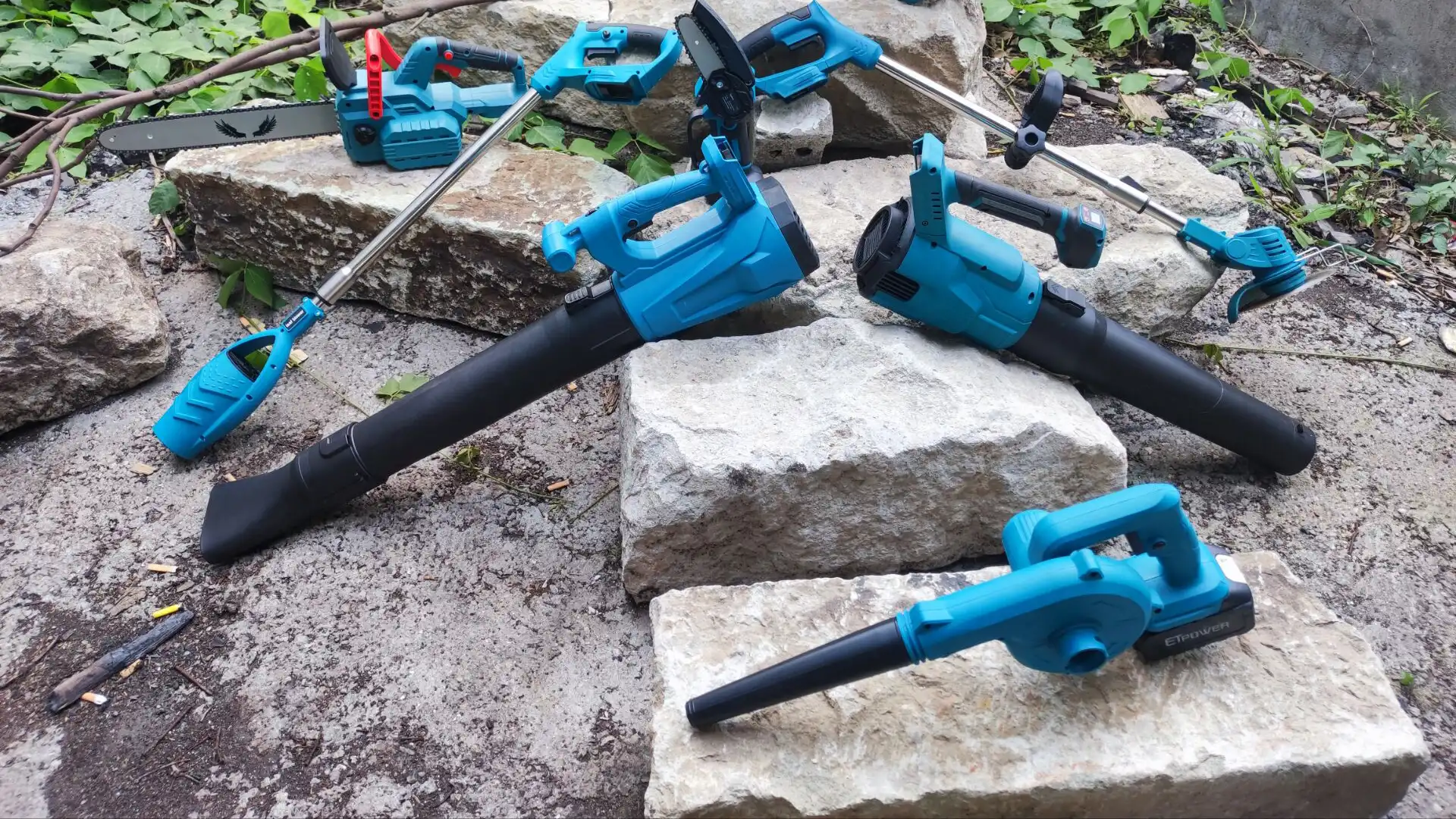
There is a wide variety of garden tools, and here are some you should know about:
we here put focus on following garden tools in everday use.
we here put focus on following garden tools in everday use.
Varies Kinds of Garden Tools You Should Know
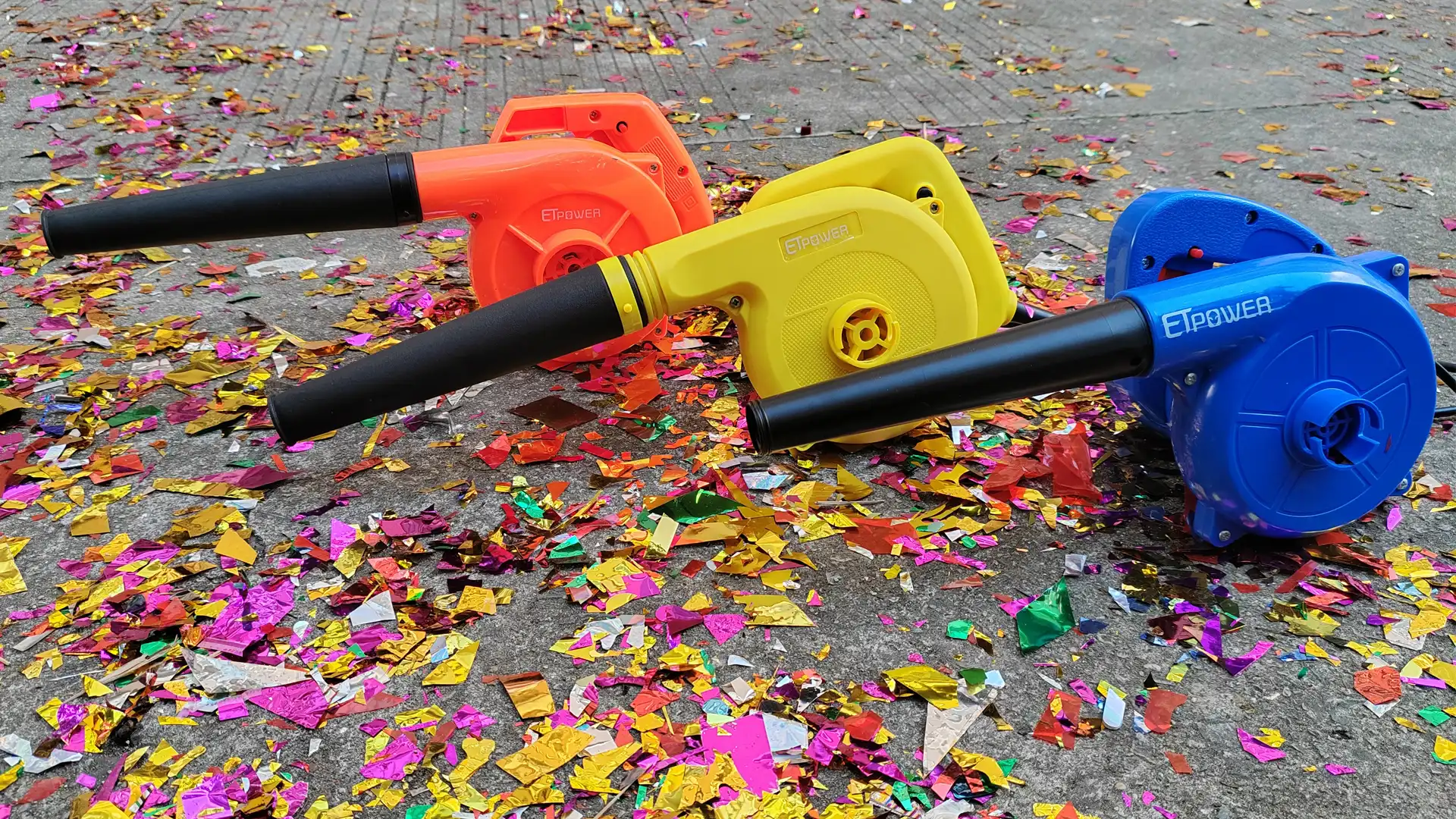
An electric blower is a power tool or device that employs an electric motor to drive a fan or impeller, generating a forceful, focussed jet of air. Its main purpose is to move air using electricity (rather than gasoline or other fuels) in order to circulate air, blow away debris, or offer ventilation.
What is An Electric Blower and What can it do?