Varies Kinds of Garden Tools You Should Know
2025-07-23
There is a wide variety of garden tools, and here are some you should know about:
we here put focus on following garden tools in everday use.
1. Electric blower
An electric blower is a highly practical tool for garden maintenance, with a range of uses that simplify cleanup, organization, and even light gardening tasks. Here are its key applications for garden jobs:
1). Clearing Leaves and Debris
This is its most common use. It efficiently blows:
- Fallen leaves from lawns, flower beds, or walkways into neat piles (easier to collect afterward with a rake or bag).
- Grass clippings left after mowing, ensuring the lawn looks tidy and preventing clippings from smothering grass.
- Small twigs, pine needles, or dead plant matter from garden beds, paths, or patios, keeping the area clean.
2). Cleaning Garden Beds and Borders
- Gently moves debris (like dry leaves or straw) from around delicate plants, shrubs, or seedlings without damaging roots or stems—safer than raking, which might disturb soil or young growth.
- Clears excess mulch from plant bases if it’s piled too high, improving airflow to roots.

3). Drying Wet Surfaces
- Blows water off patios, decks, or garden paths after rain, watering, or cleaning. This prevents mold growth, reduces slipping risks, and speeds up the drying process.
- Dries damp soil surfaces in seed beds or potted plants if overwatered, helping avoid root rot.
4). Light Snow or Frost Removal
- For light, dry snow (not heavy or compacted), it can clear garden paths, step edges, or the tops of cold frames/mini greenhouses, making access easier in winter.
- Blows away frost from delicate plants (on mild frost days) to reduce damage, though it works best for light frost.
5). Aerating and Spreading Materials
- Loosens light, crusted topsoil in small areas (e.g., around potted plants) to improve air circulation—useful if soil has become compacted from rain or foot traffic.
- Lightly spreads fine materials like grass seed, compost, or granular fertilizer over soil (using a low-speed setting to avoid displacing them too much).
6). Cleaning Garden Tools and Structures
- Blows dirt, grass, or debris off garden tools (like shovels, rakes, or pruning shears) after use, keeping them clean and reducing rust.
- Clears dust or cobwebs from garden furniture, trellises, or outdoor sheds.
2.Electric Chainsaw
A chainsaw is a powerful, high-performance tool for garden jobs that involve cutting wood, thick branches, or even small trees. Its sharp, rotating chain makes it far more efficient than manual saws for heavy-duty cutting tasks.
1). Cutting Down Small Trees
If your garden has overgrown, diseased, or unwanted small trees (typically up to 12–18 inches in diameter), a chainsaw is the go-to tool.
- Scenarios: Removing a tree that blocks sunlight to other plants, poses a safety risk (e.g., leaning or rotting), or takes up too much space.
- Note: For larger trees (over 18 inches in diameter) or those near structures/power lines, hire a professional—safety is critical here.
2). Pruning Thick Branches
Hand pruners or loppers work for small branches, but chainsaws handle thick, woody branches (over 4–6 inches in diameter) on trees or shrubs.
- Scenarios:
- Trimming low-hanging branches that block walkways, scratch vehicles, or interfere with garden structures (e.g., pergolas).
- Removing dead, broken, or diseased branches to prevent pests/disease from spreading to the rest of the tree.
- “Crown thinning”: Selectively cutting branches to improve airflow and light penetration into the tree’s canopy, promoting healthier growth.
3). Processing Garden Waste
After pruning or felling, a chainsaw helps break down large debris into manageable pieces:
- Chopping firewood: Cutting tree trunks or thick branches into logs for a fireplace or fire pit (ensure wood is dry first).
- Mulching prep: Cutting branches into smaller sections (to be further shredded by a mulcher) for garden mulch—this recycles waste into nutrient-rich ground cover.
- Disposal: Reducing large branches to fit into garden waste bins or for curbside collection.

4). Shaping Trees or Hedges (Specialized Use)
With careful handling, chainsaws can shape large, woody trees or overgrown hedges (e.g., mature boxwood or yew hedges that have outgrown manual shears).
- Example: Trimming the sides of a tall, overgrown privacy hedge to restore its shape, or creating a “sculpted” look for ornamental trees (best left to experienced users).
5). Clearing Storm Debris
After storms, fallen branches or uprooted trees can clutter the garden. A chainsaw quickly cuts through these obstacles:
- Cutting fallen branches into pieces for removal.
- Trimming jagged stumps or broken tree trunks to make the area safe.
6). Creating Garden Features
For DIY garden projects, a chainsaw can craft functional or decorative elements:
- Cutting tree stumps into “stump seats” or planters.
- Shaping logs into borders for garden beds or pathways.
- Carving simple wooden decorations (e.g., birdhouses or garden markers) from scrap wood.
3.Electric Pruner
An electric pruner (also called electric pruning shears) is a motorized tool designed to simplify cutting tasks in the garden, combining precision with reduced physical effort. It’s ideal for trimming, shaping, and maintaining plants without the strain of manual shears.
1). Pruning Small to Medium Stems and Branches
This is its core function. Electric pruners handle stems and branches that are too thick for manual shears (like hand pruners) but not large enough for a chainsaw. They typically cut:
- Woody branches: Up to 1–2 inches (2.5–5 cm) in diameter (depending on the model), such as those on shrubs (e.g., boxwood, hydrangea), young trees, or fruit bushes (raspberries, blueberries).
- Semi-woody or soft stems: Including rose canes, grapevines, lavender, or perennial stems (e.g., coneflowers, black-eyed Susans).
Why it works: The motorized blade delivers clean, sharp cuts—unlike manual shears, which can crush or tear stems. Clean cuts help plants heal faster and reduce the risk of disease or pest infestations, which is critical for fruit-bearing plants (e.g., apple trees, citrus) or flowering shrubs.
2). Shaping Shrubs, Hedges, and Topiaries
Electric pruners excel at creating neat, uniform shapes in ornamental plants:
- Hedges: Trimming overgrown hedges (privet, yew, or boxwood) into straight lines, curves, or formal shapes (e.g., a rectangular privacy hedge or rounded border). The tool’s precision ensures even cuts, avoiding lopsided or ragged edges.
- Topiaries: Sculpting small to medium topiaries (e.g., spiral-shaped shrubs or ball-shaped boxwood) by trimming excess growth to maintain their design.
- Shrubs: Taming overgrown shrubs (e.g., lilac, spirea) to keep them compact and visually balanced, preventing them from overtaking garden beds.
Bonus: The motor reduces hand fatigue, so you can work longer on larger hedges or multiple plants without straining your wrists.
3). Deadheading Flowers
Deadheading (removing spent blooms) encourages plants to produce more flowers and focus energy on growth. Electric pruners simplify this for:
- Tall or dense flowers: Roses, peonies, dahlias, or sunflowers—where reaching deep into the plant to snip spent stems is easier with a lightweight, motorized tool.
- Mass plantings: Flower beds with dozens of plants (e.g., marigolds, zinnias, or petunias)—the quick cutting action speeds up repetitive deadheading compared to manual snips.
4). Harvesting Fruits, Vegetables, and Herbs
Electric pruners are gentle enough to harvest produce without damaging the plant or the crop:
- Fruits: Cutting stems of tomatoes, peppers, stone fruits (peaches, plums), or berries (strawberries, grapes) from the plant. This avoids pulling or twisting, which can damage the plant’s roots or remaining fruit.
- Vegetables: Snipping thick-stemmed veggies like broccoli, cauliflower, or squash, or trimming back overgrown foliage (e.g., tomato leaves) to improve airflow and sunlight.
- Herbs: Harvesting woody herbs like rosemary, thyme, or sage by cutting stems cleanly, promoting bushier regrowth.

5). Thinning Overgrown Plants
Many plants thrive with “thinning”—removing crowded or weak growth to improve light and airflow. Electric pruners make this easy:
- Perennials and ornamental grasses: Cutting back excess stems in dense clumps (e.g., daylilies, ornamental grass, or mint) to prevent overcrowding. This helps the remaining stems grow stronger and reduces the risk of mold.
- Fruit trees and bushes: Removing small, weak branches to redirect energy to healthier, fruit-producing ones. For example, thinning raspberry canes to leave only the strongest stems for better berry production.
6). Removing Dead, Diseased, or Damaged Growth
Electric pruners safely trim problematic parts of plants:
- Dead wood: Cutting off dry, brittle branches (common after winter or storms) to tidy up the plant and prevent rot from spreading.
- Diseased stems: Removing infected growth (e.g., mildew-covered rose stems or blighted tomato branches) without touching the diseased area (some models have long blades for this).
- Broken branches: Trimming jagged, broken ends (from wind or heavy rain) to create smooth cuts that heal properly.
4.Electric Grass Trimmer
An electric grass trimmer (also called a string trimmer, weed whacker, or edger) is a versatile tool designed to tackle grass and weeds in areas where a lawnmower can’t reach. Its lightweight, maneuverable design and motorized cutting line make it essential for refining and maintaining a neat garden.
1). Trimming Grass in Hard-to-Reach Areas
This is its primary function. Lawnmowers struggle with tight spaces, uneven terrain, or obstacles, but electric trimmers excel here:
- Around obstacles: Trimming grass around tree trunks, garden gnomes, birdbaths, fence posts, or sprinkler heads—areas where a mower’s blades can’t fit without risking damage to the object or the mower.
- Along edges: Cutting grass that grows over the edges of lawns, such as along sidewalks, driveways, flower bed borders, or patio edges. This eliminates the “ragged” overhang that makes a lawn look unkempt.
- Slopes or uneven ground: Trimming grass on gentle slopes, hills, or bumpy areas where a mower might tip or struggle to maintain contact with the ground.
- Narrow spaces: Cleaning up grass in gaps between fences and walls, between patio pavers, or in tight corners of the garden where a mower can’t maneuver.
2). Controlling Weeds in Garden Beds and Borders
Electric trimmers are effective for managing weeds without disturbing plants or soil:
- Weeds in flower beds: Cutting down tall, tough weeds (like dandelions, crabgrass, or thistles) that grow between flowers, shrubs, or vegetables. Unlike hand-pulling, which can uproot nearby plants, the trimmer’s thin line targets only the weed stems.
- Weeds along borders: Clearing weeds that creep into lawns from garden beds, or along the base of fences and walls—preventing them from spreading and competing with desirable plants for nutrients.
- Weeds in gravel or mulch: Trimming weeds that pop up through gravel paths, mulched areas, or stone patios. The trimmer avoids disturbing the gravel or mulch itself, keeping these areas tidy.
3). Edging Lawns for a Polished Look
Many electric trimmers come with an “edging mode” (often activated by rotating the head 90 degrees) to create crisp, defined lines:
- Lawn edges: Cutting a clean vertical edge where the lawn meets a sidewalk, driveway, or flower bed. This transforms a “blurry” boundary into a sharp line, making the entire lawn look professionally maintained.
- Garden bed borders: Edging around raised garden beds, planters, or shrubbery to separate grass from soil or mulch. This prevents grass from invading the bed and makes it easier to maintain mulch or soil levels.

4). Trimming Overgrown Areas
For neglected patches or areas that grow quickly, electric trimmers help regain control:
- Tall grass: Cutting down grass that’s overgrown (e.g., after a vacation or heavy rain) before mowing. Mowing extremely tall grass can clog the mower or leave uneven clumps, but a trimmer first reduces the height to a manageable level.
- Wild patches: Taming areas of the garden left to grow “wild” (e.g., a naturalized corner with native plants) by trimming back excess grass or weeds to keep the space from becoming overgrown.
5). Shaping Grass Around Ornamental Features
To enhance the garden’s visual appeal, trimmers can refine grass around decorative elements:
- Statues or water features: Trimming grass close to the base of statues, fountains, or ponds to highlight these features without overgrowth obscuring them.
- Rock gardens: Cutting grass that grows between rocks or around the edges of rock gardens, ensuring the rocks remain visible and the area looks intentional.
What are the different types of electric blowers?
Related Article
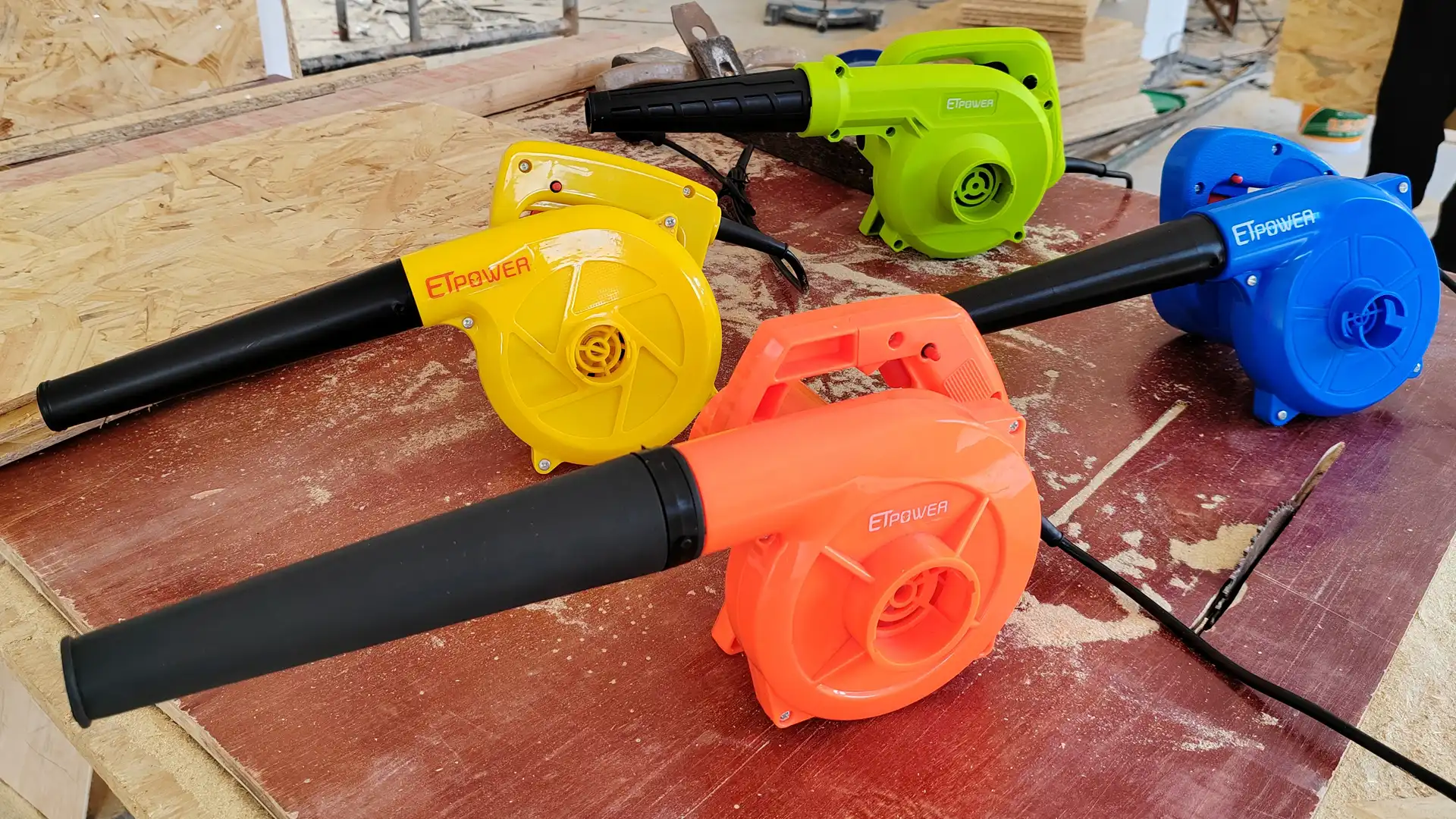
Electric blowers are categorized based on their design, portability, and primary use cases.
What are the different types of electric blowers?

An electric blower is a power tool or device that employs an electric motor to drive a fan or impeller, generating a forceful, focussed jet of air. Its main purpose is to move air using electricity (rather than gasoline or other fuels) in order to circulate air, blow away debris, or offer ventilation.
What is An Electric Blower and What can it do?