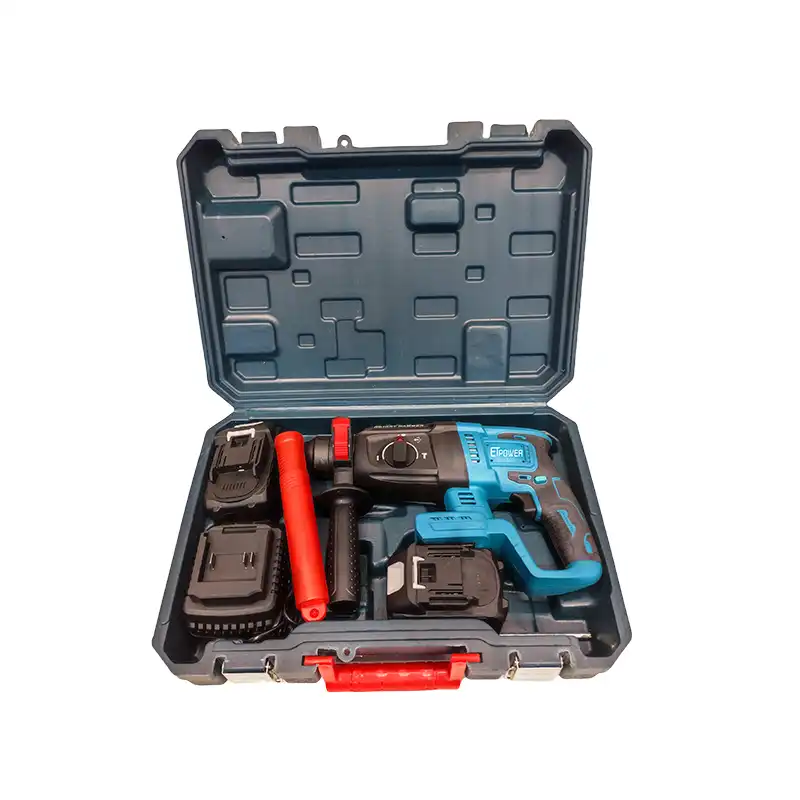
How often should I charge my cordless drill driver battery?
2025-07-22
The frequency of charging your cordless drill driver battery depends on how often you use the drill, the battery type, and its current charge level. Although there isn't a set "schedule" (such as "charging once a week"), adhering to these recommendations will assist preserve battery health and guarantee that it is there when you need it:
1. Charge When Needed
The simplest approach is to charge the battery when you expect to use the drill shortly or when its runtime dramatically decreases.
-
For regular use (e.g., DIY projects 1–2 times a week):
Charge the battery after use if it’s at 20–30% capacity or lower. Li-ion batteries (the most common) perform best when kept above 20%—avoid draining them completely, as deep discharge can shorten their lifespan.
If you finish a project with 50% charge left, you don’t need to recharge immediately. Just charge it before your next use. -
For occasional use (e.g., once a month):
Check the charge level before use. If it’s below 40%, recharge it to 70–80% to ensure enough runtime for your task.
Li-ion batteries self-discharge slowly (about 2–3% per month when stored), so even if unused, they may need a top-up after a few months.

2. Avoid “Over-Charging”
Modern Li-ion batteries and chargers are “smart”—they stop charging once full, so leaving a battery on the charger overnight occasionally won’t cause major harm. However:
- Don’t leave a fully charged battery on the charger for days/weeks. Over time, this can slightly stress the cells, reducing long-term capacity. Unplug it once it’s full.
- Never force a charge on a damaged battery (e.g., swollen, leaking, or extremely hot). This is dangerous and can cause fires or further damage.
3. Special Case: Long time Storage (Weeks/Months)
If you won't use the drill for more than 2–3 weeks, charge the battery to 40–60% capacity before keeping it stored.
- Storing a Li-ion battery fully charged (100%) for months causes gradual capacity loss.
- Storing it fully discharged (0–10%) risks “cell death”—the battery may never recharge.
Check the stored battery every 2–3 months and recharge it to 40–60% if its charge drops below 30%.
Key Points
For Li-ion batteries (most common today):
- Charge when the battery is at 20–30% or lower, or before your next use.
- Avoid full discharge (below 10%) and long-term storage at 100% charge.
- For storage, keep it at 40–60% and top up every 2–3 months.
By following this approach, you’ll maximize runtime, avoid unnecessary wear, and extend the battery’s lifespan.
Cordless Rotary Hammer Drill Features and Advantages
What is a cordless drill driver?
Related Article
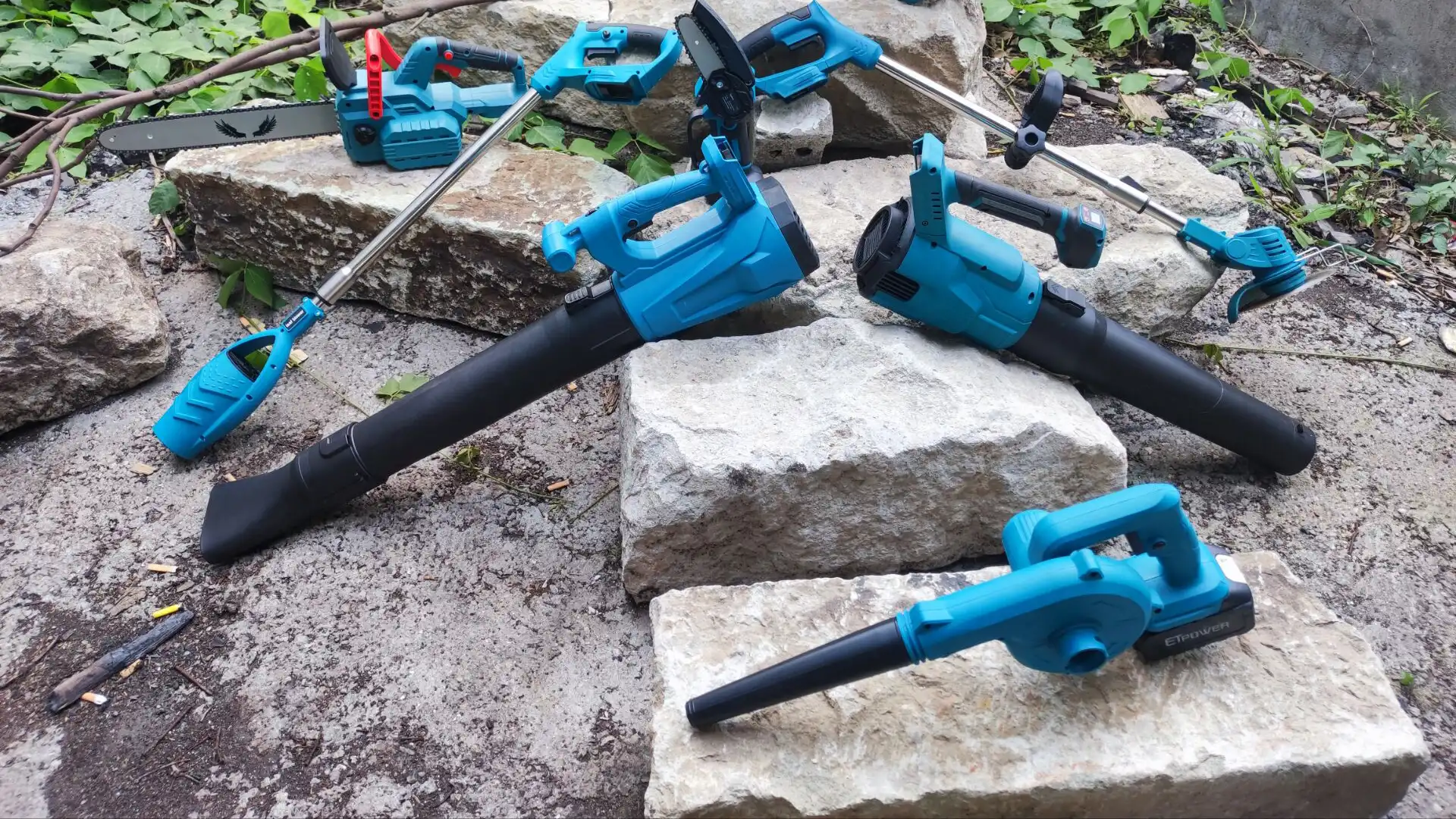
There is a wide variety of garden tools, and here are some you should know about:
we here put focus on following garden tools in everday use.
we here put focus on following garden tools in everday use.
Varies Kinds of Garden Tools You Should Know
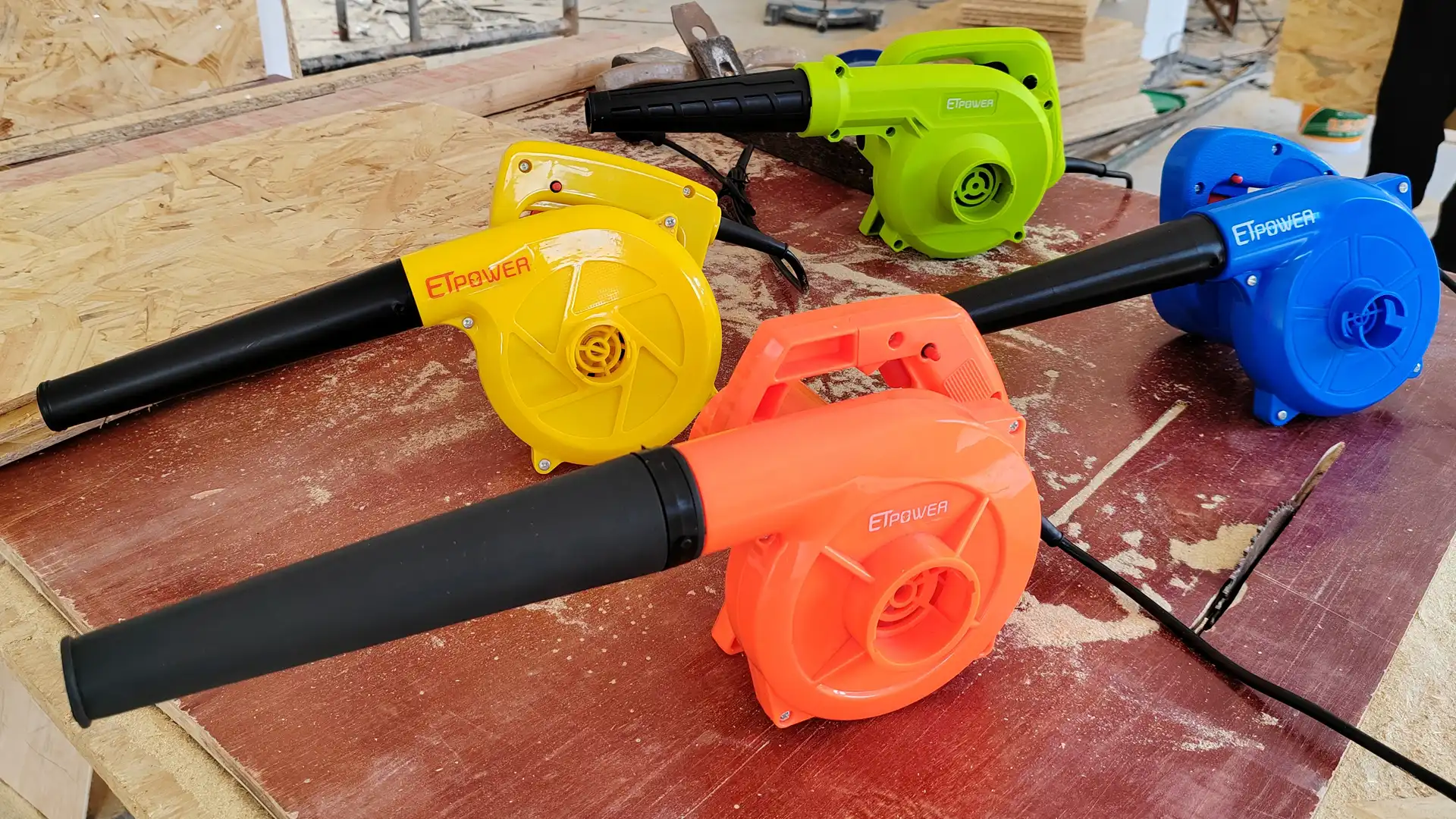
Electric blowers are categorized based on their design, portability, and primary use cases.
What are the different types of electric blowers?
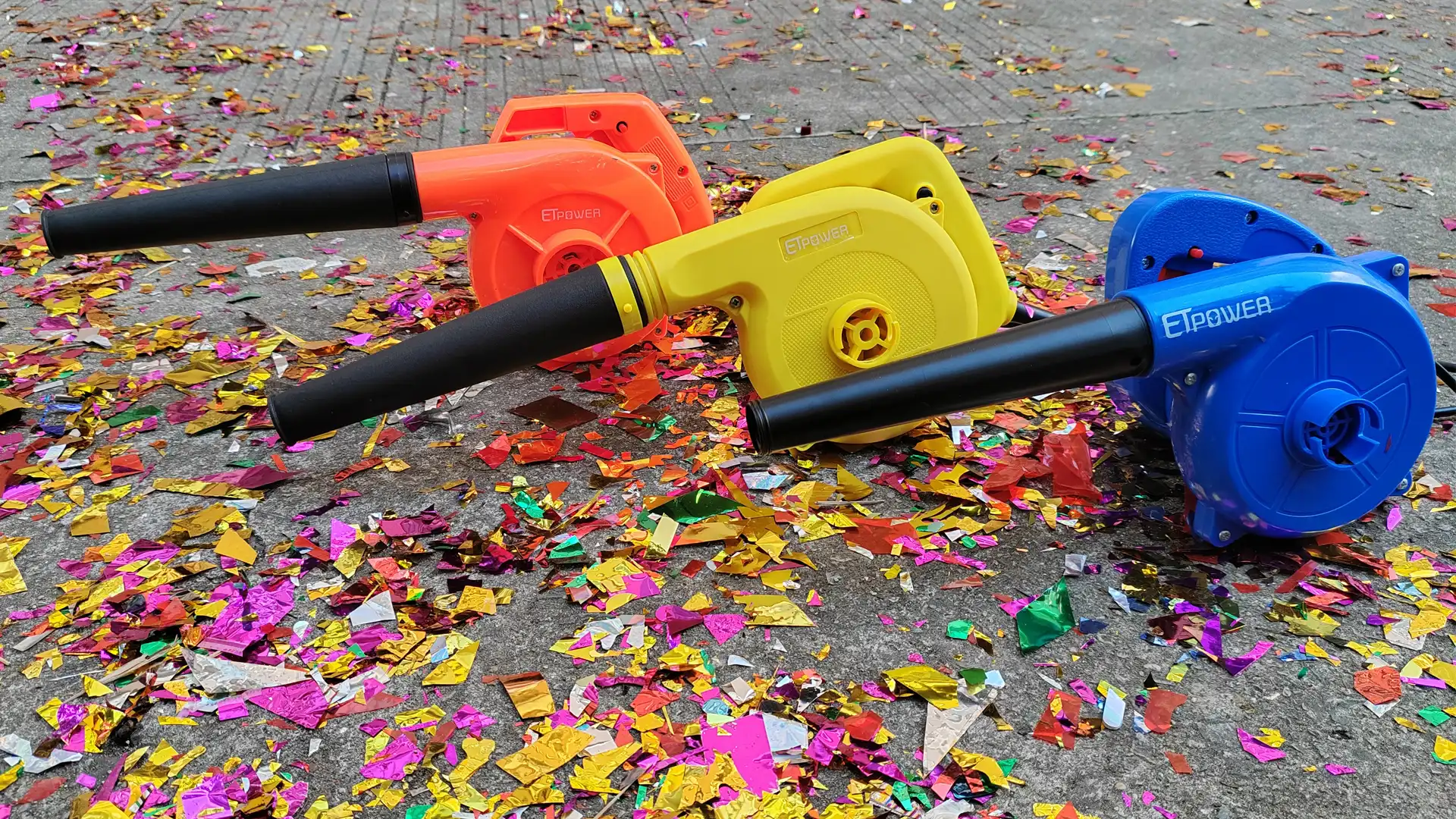
An electric blower is a power tool or device that employs an electric motor to drive a fan or impeller, generating a forceful, focussed jet of air. Its main purpose is to move air using electricity (rather than gasoline or other fuels) in order to circulate air, blow away debris, or offer ventilation.
What is An Electric Blower and What can it do?