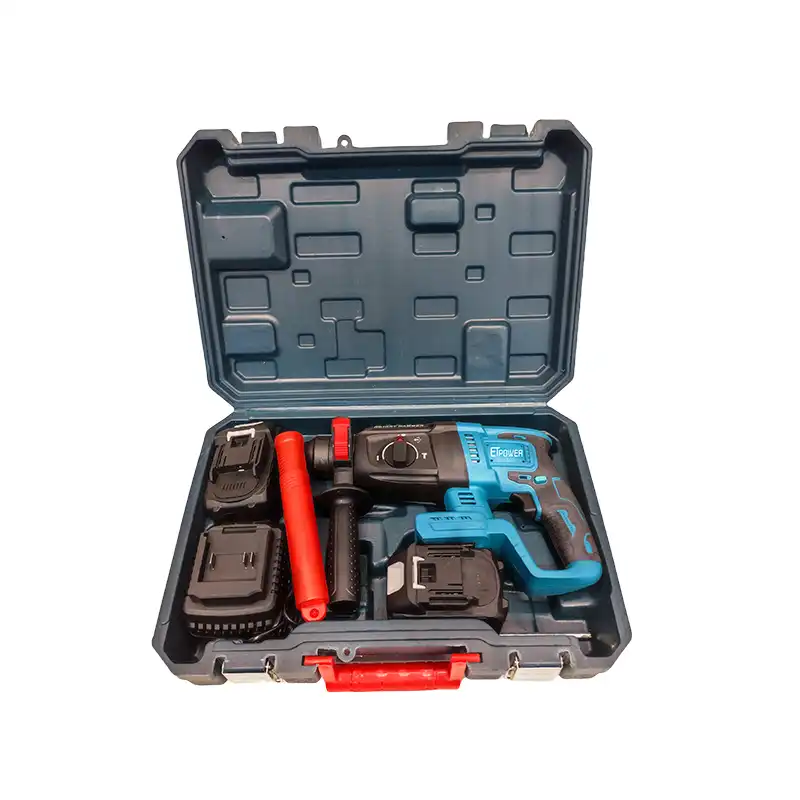
What is a cordless drill driver?
2025-07-22
A Cordless drill driver is typically powered by a rechargeable battery and is designed to perform two primary functions: drilling and screw driving. It usually features at least two speed settings: Low Speed/High Torque: Ideal for driving screws into various materials. Its "cordless" design—powered by rechargeable batteries—makes it highly versatile, allowing use in locations without access to electrical outlets, such as construction sites, outdoor areas, or remote workspaces.
Key parts of a Cordless Drill Driver
To understand how it works, let's break down its main components:
- Motor: The heart of the tool, which converts battery power into rotational motion. Higher-wattage or higher-voltage motors deliver more torque (twisting force) for tough tasks like driving large screws into dense wood.
- Rechargeable Battery: Typically lithium-ion (Li-ion) batteries (common voltages: 12V, 18V, 21V, or 48V). Li-ion batteries are preferred for their high energy density, light weight, and minimal "memory effect" (they don’t lose capacity if recharged before fully draining).
- Chuck: A clamp at the front that holds drill bits (for drilling) or screwdriver bits (for driving screws). Most modern models have a keyless chuck (easily tightened/loosened by hand) for quick bit changes.
- Trigger: Controls the tool’s speed—pressing it lightly results in slow rotation; pressing harder increases speed.
- Speed Settings: Most models have 2 or more speed modes:
- Low speed (e.g., 0–400 RPM): For driving screws (more torque, better control to avoid stripping screws).
- High speed (e.g., 0–1,500 RPM): For drilling holes (faster rotation for efficient cutting).
- Torque Adjustment Ring: A numbered dial around the chuck that sets the maximum torque. Lower numbers = less torque (ideal for delicate screws in soft materials, preventing over-tightening). Higher numbers = more torque (for heavy-duty tasks like driving long screws into hardwood).
- Reverse Switch: A button or lever to reverse the rotation direction—used to loosen screws or back out stuck drill bits.

How It Works: Drilling vs. Driving
- Drilling: Put a drill bit into the chuck (masonry bit for concrete, twist bit for wood/metal, etc.). To make a hole, choose high speed, place the bit on the material, and squeeze the trigger. As the bit rotates, its sharp edges sever the material.
- Driving: Place a screwdriver bit into the chuck, such as a Phillips, flathead, or Torx bit. Choose a low speed and adjust the torque ring to the screw's dimensions and composition. To tighten the screw, insert the bit into the screw's head, squeeze the trigger, and apply light pressure. To avoid stripped screws or damaged materials, the torque ring will cut the motor when the predetermined torque is reached.
Advantages of Cordless Drill Drivers
- Portability: For do-it-yourself projects, house repairs, or professional work away from power sources, having no cables means having the freedom to move around.
- Versatility: Handles both drilling and screwdriving, eliminating the need for separate tools.
- Ease of Use: Lightweight (compared to corded models or heavy-duty drills) and intuitive controls make them suitable for beginners.
- Modern Improvements: Many models include features like LED worklights (illuminate dark work areas), battery level indicators, and ergonomic grips for comfort during long use.
Common Uses
- Home DIY: Hanging shelves, assembling furniture, installing fixtures (e.g., curtain rods, light fixtures).
- Construction: Framing, attaching drywall, or driving lag screws.
- Gardening: Building planter boxes or assembling outdoor structures.
- Automotive: Minor repairs (e.g., removing interior screws).
Choosing a Cordless Drill Driver
Main factors you should consider:
- Battery Voltage: Higher voltage (e.g., 21V) = more power and runtime (better for heavy tasks). Lower voltage (e.g., 12V) = lighter and more compact (ideal for light DIY).
- Battery Runtime & Charging Time: Look for kits with extra batteries to avoid downtime. Fast-charging batteries (e.g., 30-minute charge) are convenient.
- Torque: Measured in newton-meters (Nm). Higher torque (e.g., 56N.m) works with tough materials.
- Weight: Lighter models (0.5-1.5kg) reduce hand fatigue for extended use.
To put it briefly, a cordless drill driver is an essential equipment for anyone in need of a portable, multifunctional drilling and screwdriving solution that combines power, control, and simplicity for both home and commercial use.
How often should I charge my cordless drill driver battery?
How To Choose Household Electric Drill, Impact Drill And Electric Hammer?
Related Article
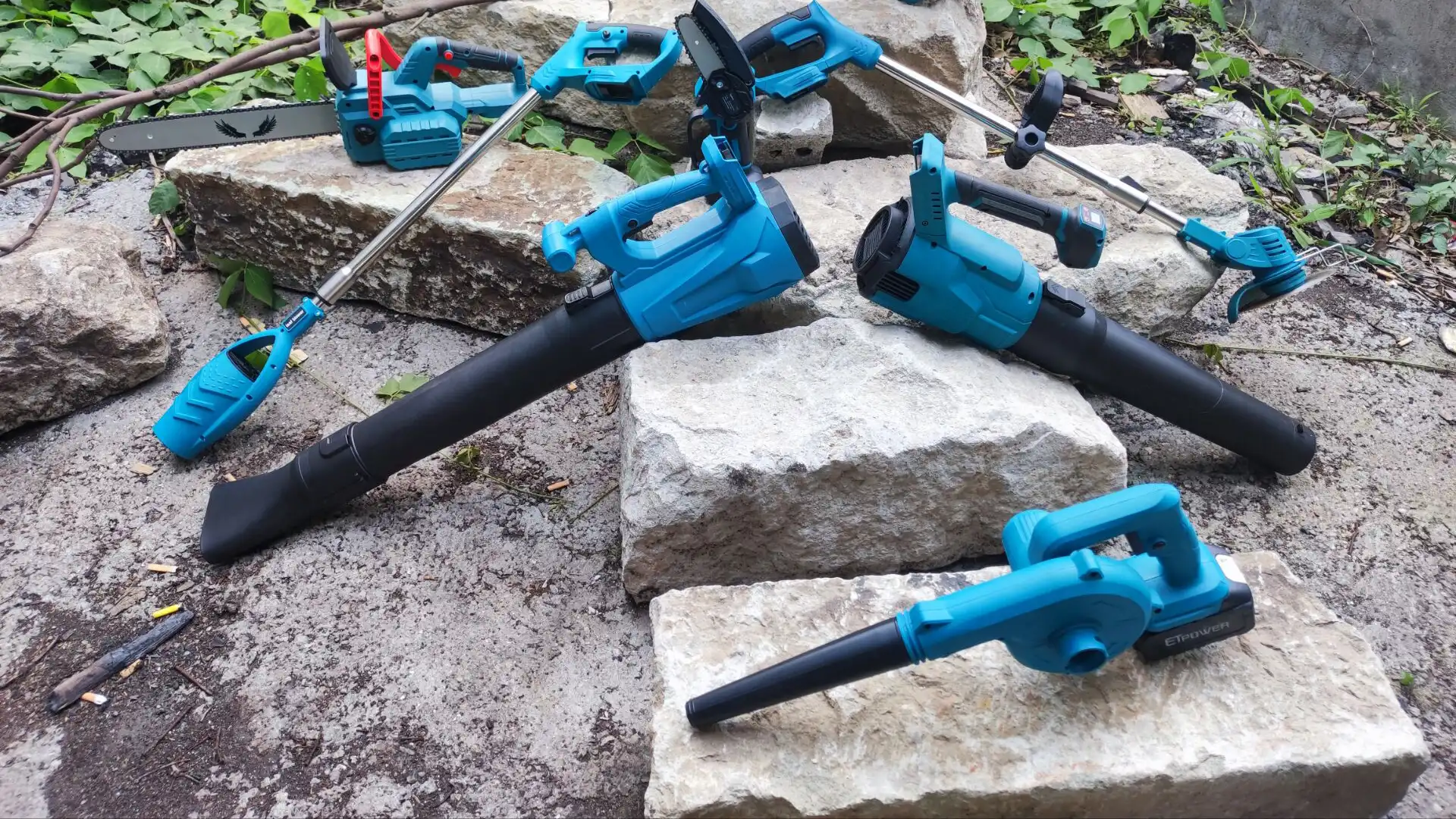
There is a wide variety of garden tools, and here are some you should know about:
we here put focus on following garden tools in everday use.
we here put focus on following garden tools in everday use.
Varies Kinds of Garden Tools You Should Know
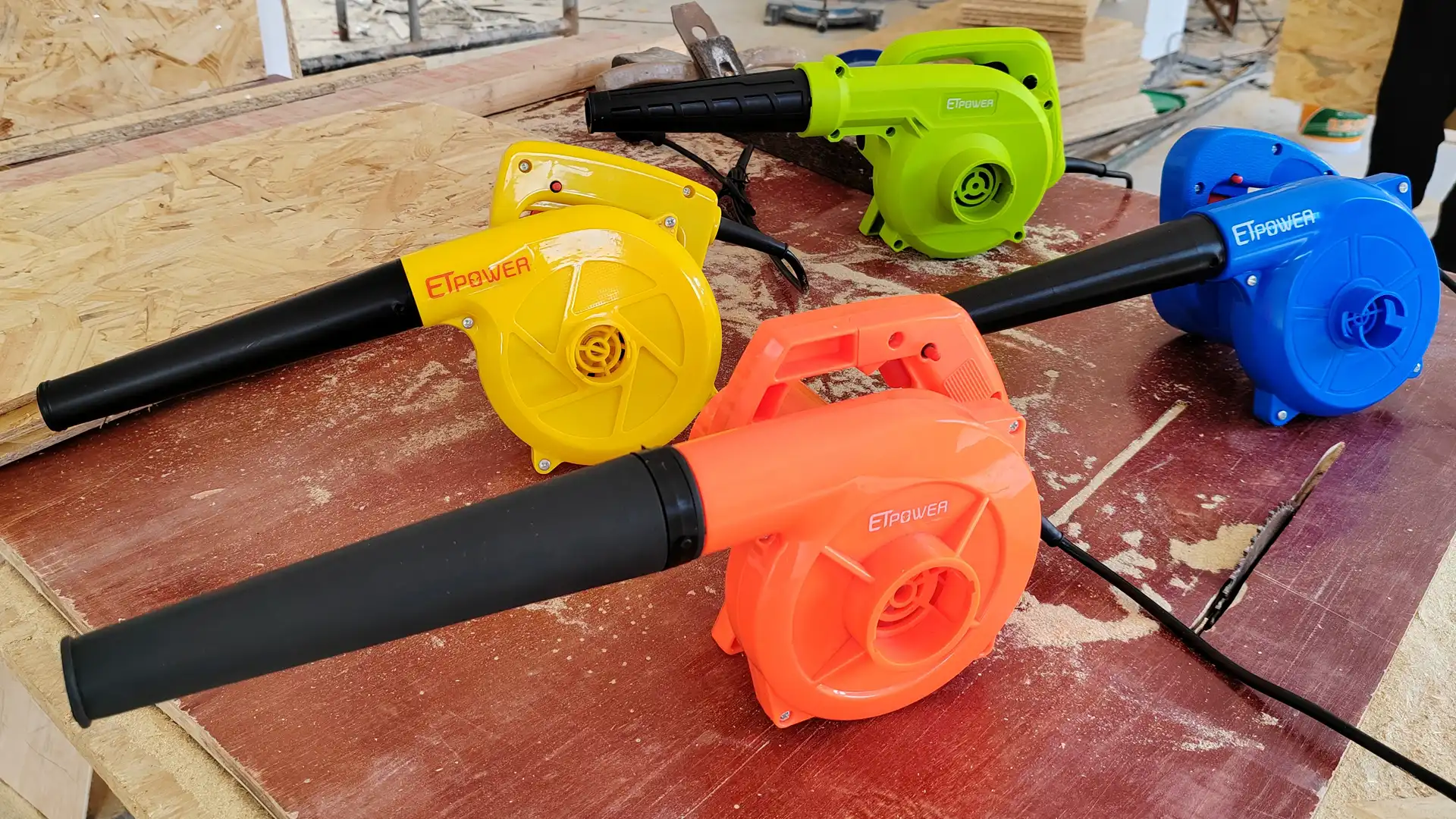
Electric blowers are categorized based on their design, portability, and primary use cases.
What are the different types of electric blowers?
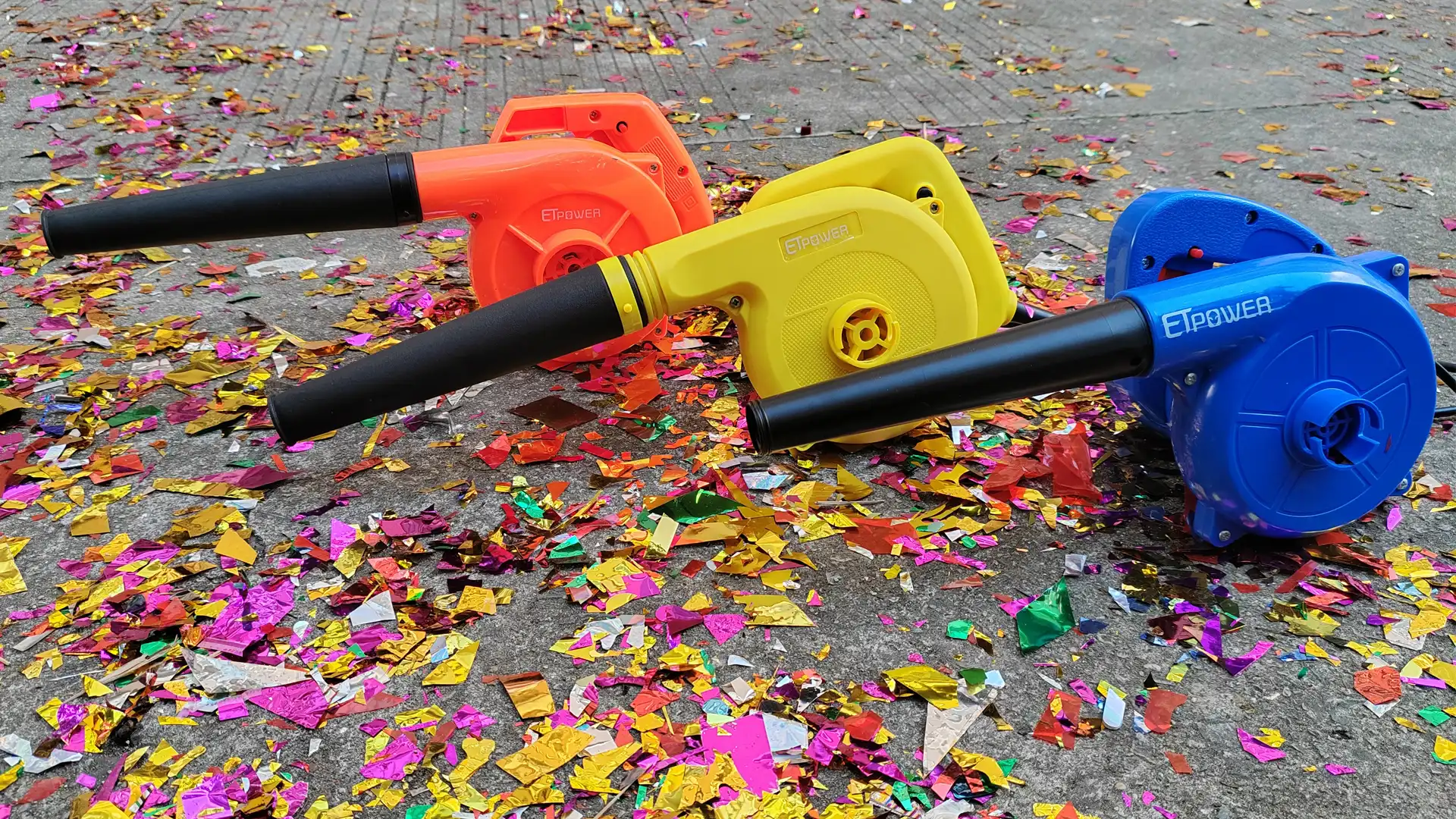
An electric blower is a power tool or device that employs an electric motor to drive a fan or impeller, generating a forceful, focussed jet of air. Its main purpose is to move air using electricity (rather than gasoline or other fuels) in order to circulate air, blow away debris, or offer ventilation.
What is An Electric Blower and What can it do?