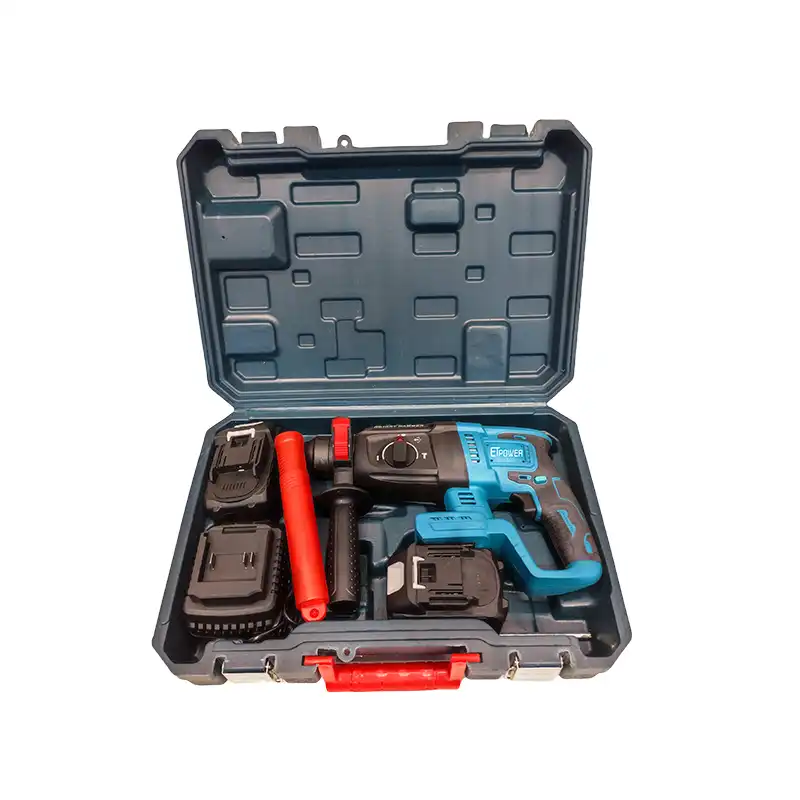
What can you do with a rotary hammer?
2025-07-07
A rotary hammer (also called an electric hammer) is a powerful, heavy-duty power tool designed for working with hard materials like concrete, masonry, stone, and brick. Its core strength lies in combining rotational drilling motion with high-frequency percussive (hammering) force, allowing it to tackle tasks that regular drills or even impact drills can’t handle. Here’s a detailed breakdown of its key uses, along with examples and tips for each:
1. Drilling Holes in Hard Materials
This is the main and most typical application for a rotary hammer. A rotary hammer's powerful pounding motion breaks up hard materials from the inside while rotating, making it effective even for deep or large-diameter holes. This is in contrast to normal drills, which only use rotation, or impact drills, which have limited impact force.
- Concrete: Ideal for drilling holes to install anchors, bolts, or electrical/conduit fittings (e.g., drilling holes in a concrete wall to mount a TV bracket, or in a concrete floor for plumbing pipes).
- Masonry: Works on brick, cinder block, or stone walls—for example, drilling holes to hang heavy shelves, curtain rods, or outdoor light fixtures on a brick exterior.
- Tile (with caution): Can drill through ceramic or porcelain tile (when paired with a tile-specific bit) if you need to run wires or pipes through a tiled wall (e.g., a bathroom backsplash).
Tip: Use masonry bits (tungsten carbide-tipped) for concrete/masonry, as they’re designed to withstand the hammering force without dulling quickly.
2. Chiseling and Breaking Hard Surfaces
The majority of rotary hammer drills can be used as mini jack hammers by switching to the "hammer-only" mode, which stops rotating. This mode is ideal for activities involving demolition or renovation because it only employs percussion force to break, chip, or shape hard materials.
- Breaking concrete: Small-scale demolition, such as removing a concrete slab in a basement, breaking up a cracked concrete patio section, or chipping away old concrete to expose rebar.
- Removing tile or mortar: Chiseling off old ceramic tiles from a concrete subfloor, or scraping away dried mortar from brick walls during a renovation.
- Shaping masonry: Smoothing rough edges on a stone wall, or creating notches in a brick column to fit pipes or wires.
Tip: Use chisel bits (flat, pointed, or U-shaped) for these tasks. Flat chisels work best for breaking large sections, while pointed chisels are better for precision chipping.

3. Driving Anchors and Fasteners in Hard Materials
Although this is frequently a secondary usage, rotary hammers can also help secure fasteners in hard surfaces.
- Setting concrete anchors: After drilling a hole in concrete, some rotary hammers (with adjustable torque) can drive expansion anchors, wedge anchors, or sleeve anchors into the hole—ensuring a tight fit that regular drills can’t achieve.
- Driving bolts into masonry: For heavy-duty installations (e.g., securing a steel beam to a concrete foundation), a rotary hammer can power through the resistance of hard materials to tighten bolts.
4. Heavy-Duty Metal Drilling (With the Right Bit)
When used in conjunction with a high-speed steel (HSS) or carbide-tipped metal bit, a rotary hammer (in "drill-only" mode, which disables hammering) may drill through thick or tough metal, such as steel pipes, angle iron, or metal plates, however this is not its main use. This is helpful for tasks where you may need to drill through both metal and masonry, such as mounting metal brackets on a concrete wall.
Main Advantages Over Other Tools
What makes a rotary hammer unique is its ability to handle tasks that are impossible or impractical for other tools:
- It drills faster in concrete than impact drills (which lack enough impact force).
- It's more precise than a full-size jackhammer (great for small-scale demolition without damaging surrounding areas).
- It avoids overheating or stalling when working with dense materials (unlike regular drills, which can burn out trying to drill concrete).
When Not to Use a Rotary Hammer
A rotating hammer is excessive (or even harmful) for soft materials, despite being useful for hard materials:
- Wood, plastic, or drywall: Its hammering force will splinter wood, crack plastic, or punch holes through drywall instead of drilling cleanly. A regular drill is better here.
- Delicate surfaces: Using it on ceramic (without a tile bit) or glass will shatter the material.
- Light-duty tasks: Hanging picture frames or assembling furniture doesn’t require its power—save it for heavy work to avoid wear and tear.
In a word, a rotary hammer is a “workhorse” for concrete, masonry, and demolition. If your projects involve hard materials, heavy drilling, or small-scale breaking, it’s an indispensable tool. For softer materials or light tasks, stick to a regular drill or impact drill—but when concrete is in the mix, a rotary hammer is the way to go.
How To Choose Household Electric Drill, Impact Drill And Electric Hammer?
Related Article
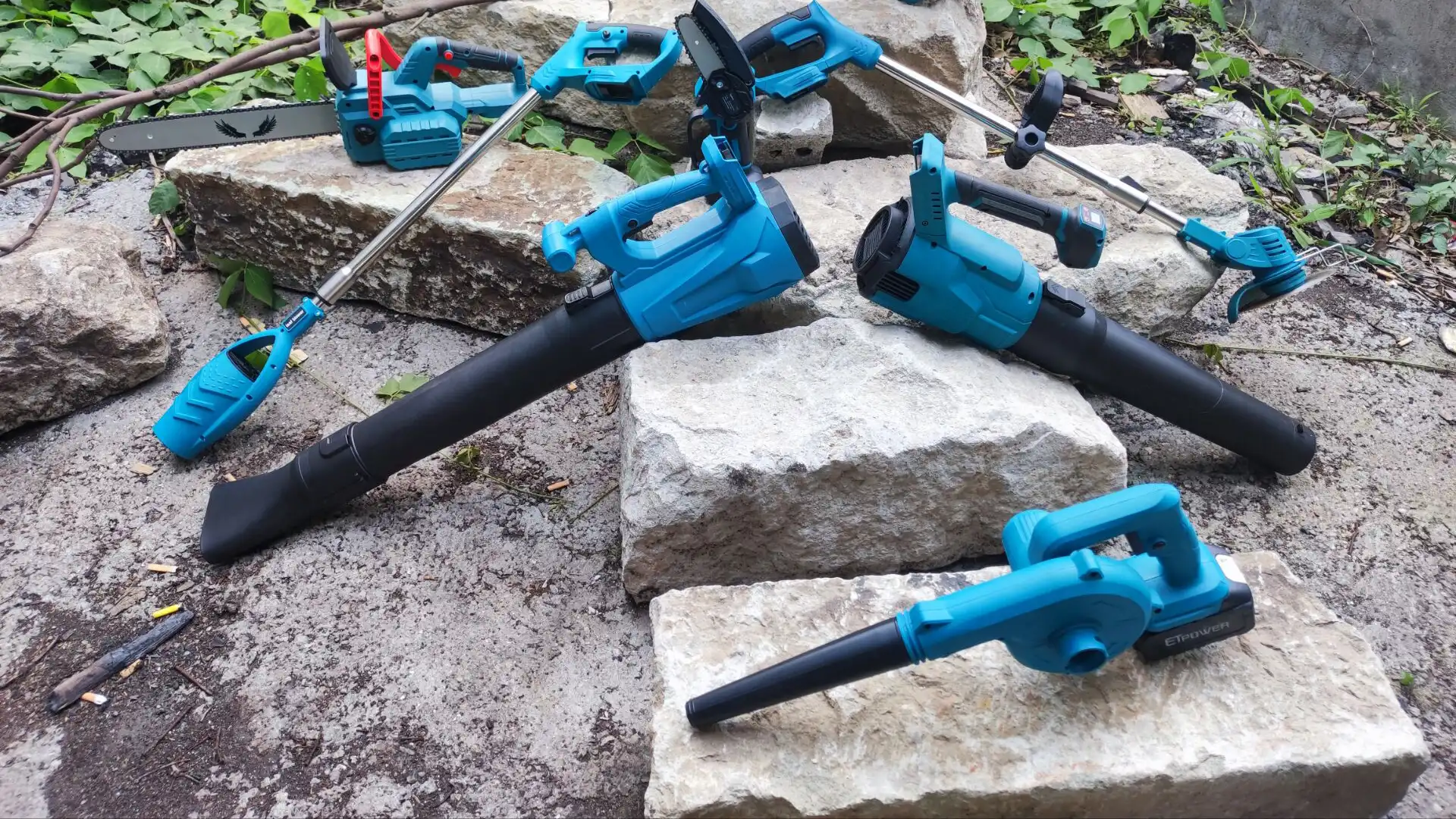
There is a wide variety of garden tools, and here are some you should know about:
we here put focus on following garden tools in everday use.
we here put focus on following garden tools in everday use.
Varies Kinds of Garden Tools You Should Know
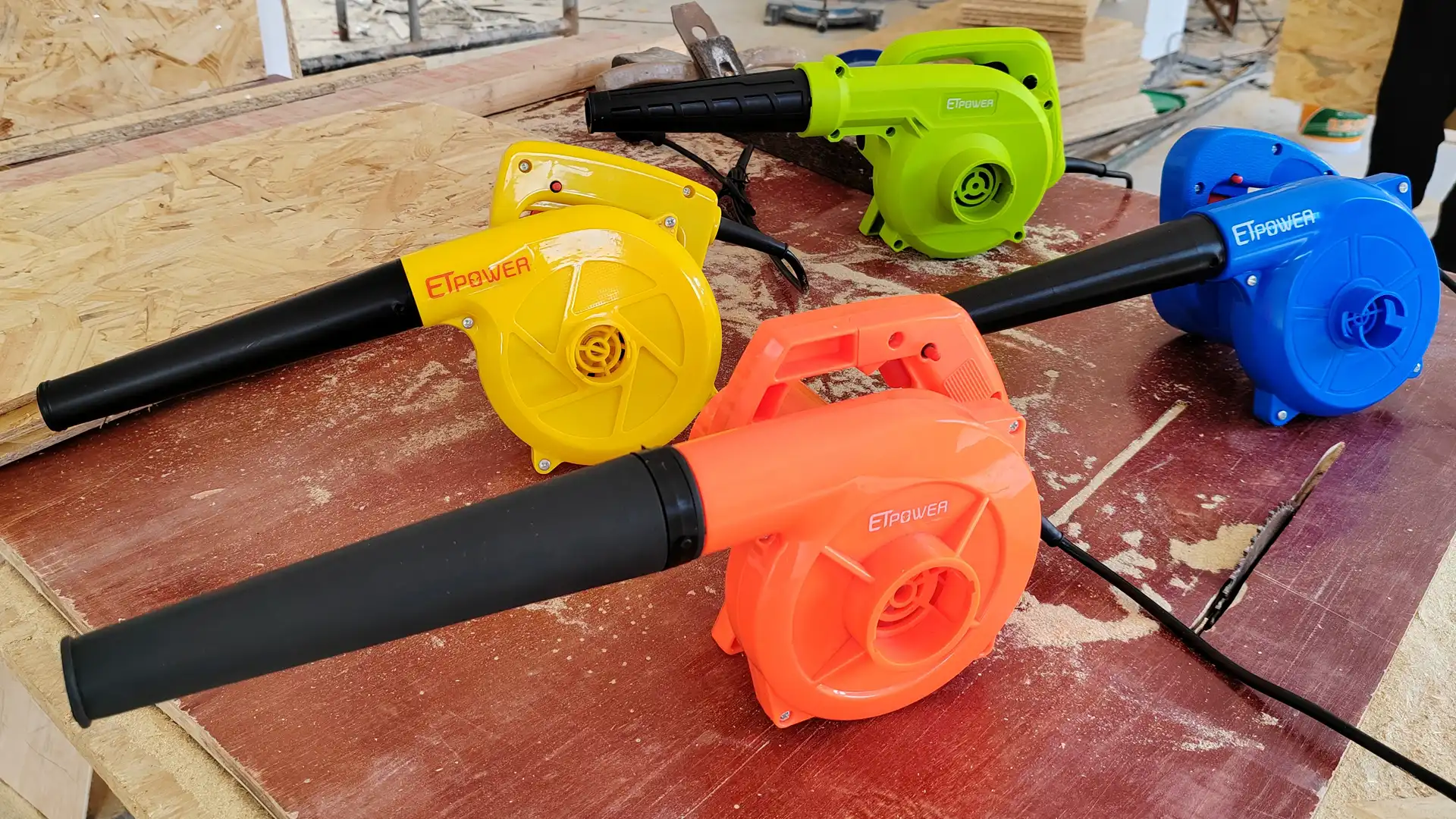
Electric blowers are categorized based on their design, portability, and primary use cases.
What are the different types of electric blowers?
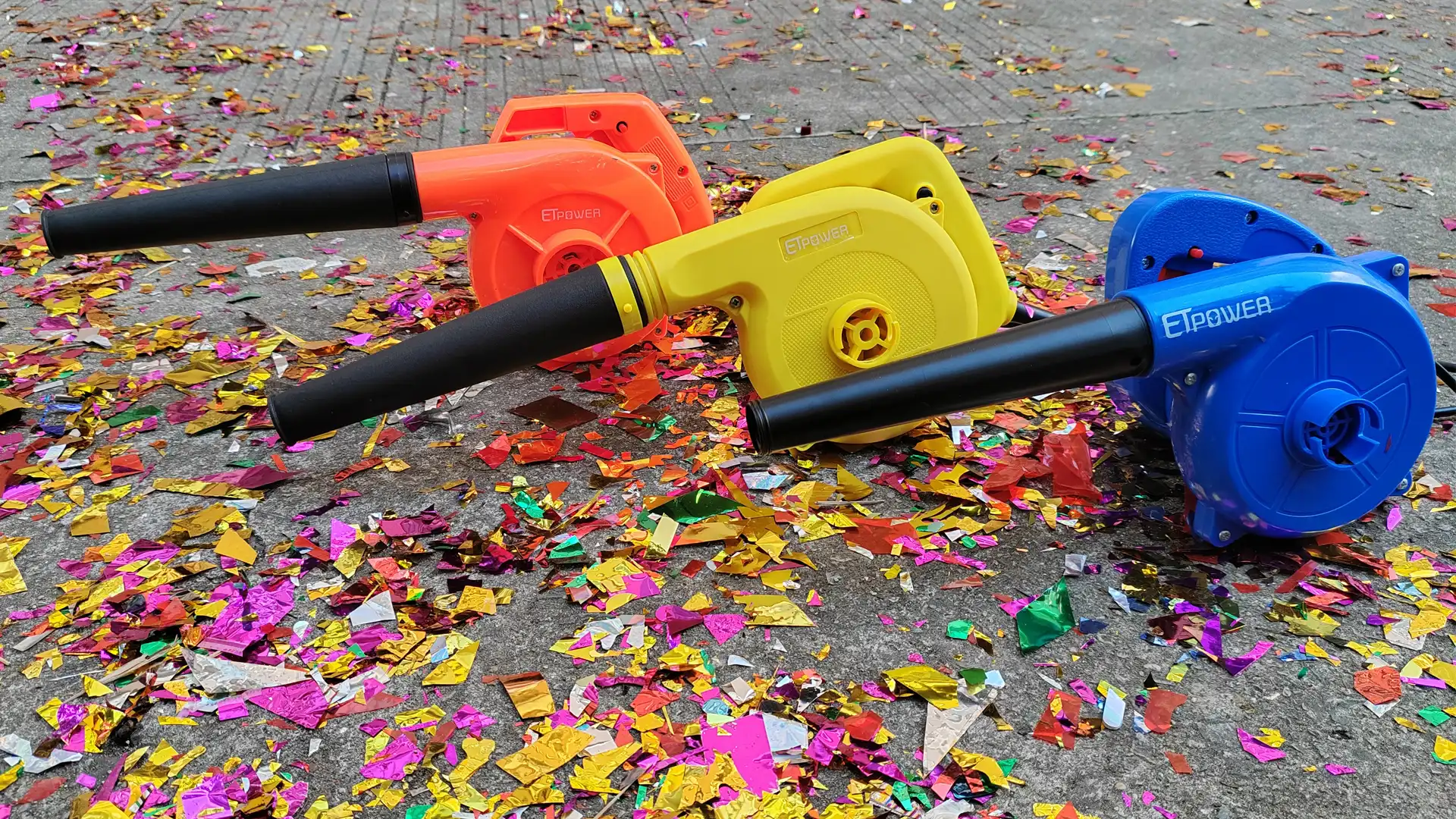
An electric blower is a power tool or device that employs an electric motor to drive a fan or impeller, generating a forceful, focussed jet of air. Its main purpose is to move air using electricity (rather than gasoline or other fuels) in order to circulate air, blow away debris, or offer ventilation.
What is An Electric Blower and What can it do?