How To Choose Household Electric Drill, Impact Drill And Electric Hammer?
2025-07-21
These Core Functions you must know:
Household Electric Drill
A household electric drill is the most basic and versatile of the three. Its primary use is to rotate a drill bit in order to make holes in relatively soft materials such thin metal, plastic, or wood. It is an essential tool for daily home work since it may be used to drive or remove screws with screwdriver bits.
The key feature of a household electric drill is its rotational force (torque). Most models come with adjustable torque settings, which allow you to control how much force is applied. For example, lower torque is suitable for driving screws into delicate surfaces to avoid over-tightening, while higher torque works better for drilling holes in thicker wood. However, it lacks the impact force needed to tackle hard materials like concrete or brick.
Impact Drill
An impact drill builds on the functionality of a household electric drill by adding a rotational impact mechanism. In addition to rotating motion, it produces brief, fast bursts of forward impact force when driving screws. This impact power enables it to cut through tougher materials like metal pipes, thick wood with knots, and masonry (such as brick or light concrete) that would be difficult for a standard electric drill to cut through.
The impact function is usually adjustable, meaning you can switch between "drill only" mode (similar to a household electric drill) and "impact drill" mode. This versatility makes it a popular choice for homeowners who need to handle a mix of soft and moderately hard materials. With only one tool, it can, for instance, drill holes in a brick wall to hang a shelf and then switch to screwdriver mode to fasten the shelf brackets. However, because its impact force is still quite low when compared to an electric hammer, it is not intended for heavy-duty concrete work.
Electric Hammer
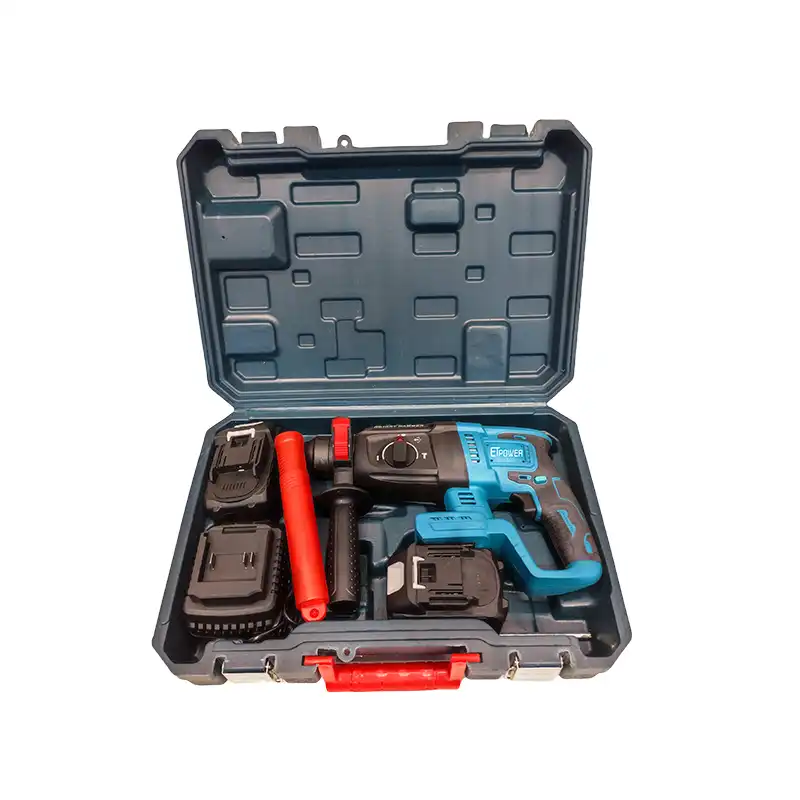
An electric hammer (also known as a rotary hammer) is the heavyweight of the three, designed specifically for drilling and breaking through hard materials like concrete, stone, or thick masonry. An electric hammer produces a percussion (hammering) motion, or a pounding action that goes back and forth, in addition to rotation, unlike an impact drill, which employs rotational impact.This hammering force is much more powerful, allowing it to drill large holes in solid concrete or even break up old concrete slabs during renovation projects.
There are several modes that electric hammers frequently have: "drill only," "hammer only" (for chiseling or breaking, like removing tile or breaking up a small part of concrete), and "hammer drill" (which combines hammering with rotation for drilling).. They are larger and heavier than electric drills or impact drills, which is a trade-off for their power. Due to their high impact force, they’re not ideal for delicate tasks or soft materials—using an electric hammer on wood, for example, would likely split or damage the material.

Main Factors to Consider When Choosing:
1. What kind of Materials You’ll Be Working With
The key factor in choosing between these tools is the type of materials you are going to work with:
- If you mostly work with wood, plastic, thin metal, or need to drive screws for furniture assembly, picture hanging, or light repairs, a household electric drill is sufficient.
- If your projects involve occasional drilling into brick, light concrete, or thick metal (like steel pipes), an impact drill will handle these tasks more efficiently than a regular electric drill.
- If you are tackling heavy-duty work such as drilling into solid concrete (for installing wall anchors or electrical conduits) or breaking up concrete/masonry, an electric hammer drill is a must.
2. Frequency and Scale of Use
- For occasional household use (e.g., hanging curtains, assembling furniture, or minor repairs), a home electric drill is lightweight, easy to store, and cost-effective.
- For regular DIY projects that involve a mix of materials (wood, metal, and light masonry), an electric impact drill offers better versatility without being too bulky.
- For professional work, large-scale renovations, or frequent concrete drilling, an electric hammer is worth the investment, even though it is heavier and cost much.
3. Power and Speed
- Power (measured in watts for corded tools or volts for cordless ones) determines how well the tool can handle tough tasks. Compared to impact drills (400–800 watts) and household electric drills (300–600 watts), corded electric hammers usually have a higher power (500–1500 watts). Cordless models rely on battery voltage—higher voltage (e.g., 18V) means more power and longer runtime.
- Speed (measured in rotations per minute, RPM) affects drilling efficiency. Higher speeds work for wood or plastic, whereas lower speeds are ideal for drilling in metal or driving screws (to prevent the bit from overheating). Electric hammers often have adjustable speed settings to match different materials.
4. Weight and Ergonomics
- Home electric drills are the lightest (usually 1–2 kg), making them easy to handle for long periods—ideal for overhead tasks like hanging pictures.
- Impact drills are a little heavier (1.5–3 kg) due to their impact mechanism but are still manageable for most DIYers.
- Electric hammers are the heaviest of the three(3–8 kg) because of their powerful motors and hammering components. This weight can make them tiring to use for extended periods, so look for models with ergonomic handles and anti-vibration features if you need to use one frequently.
5. Corded vs. Cordless
- Corded tools provide continuous power, making them suitable for long projects, but they’re limited by the length of the power cord. Compared to cordless models, they are frequently more affordable and powerful.
- Cordless tools offer portability, which is useful for working in areas without easy access to a power outlet (e.g., outdoor patios or basements).They do, however, require batteries, so for major projects you will need to account for runtime and keep an extra battery on available.

Summary of Recommendations
- If you need a lightweight, reasonably priced instrument for working with wood, plastic, fasteners, and light metal, go for a home electric drill. It's ideal for both routine housework and sporadic do-it-yourself jobs.
- Select an impact drill if you need to handle wood and screws in addition to drilling into masonry, light concrete, or thick metal. For homeowners with a variety of material needs, it's a flexible choice.
- Choose an electric hammer if: You’re working with solid concrete, stone, or need to break up masonry. It’s the go-to tool for heavy-duty renovation or professional construction work.
By aligning the tool's capabilities with your project's needs, you can guarantee successful, safe, and effective outcomes. Choosing the appropriate drill, impact drill, or electric hammer will greatly simplify your next project, regardless of your level of experience.
What is a cordless drill driver?
What can you do with a rotary hammer?
Related Article
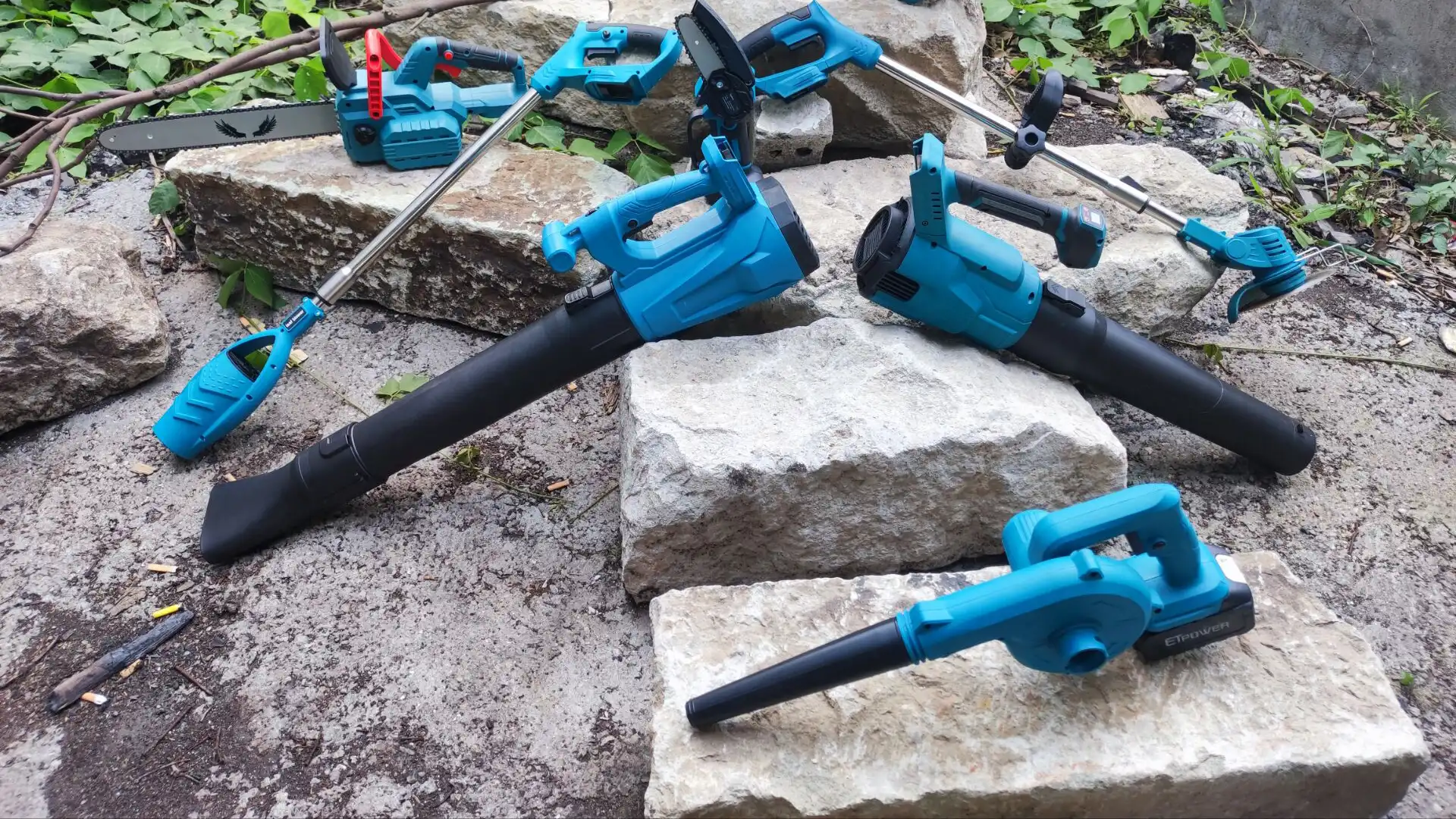
There is a wide variety of garden tools, and here are some you should know about:
we here put focus on following garden tools in everday use.
we here put focus on following garden tools in everday use.
Varies Kinds of Garden Tools You Should Know
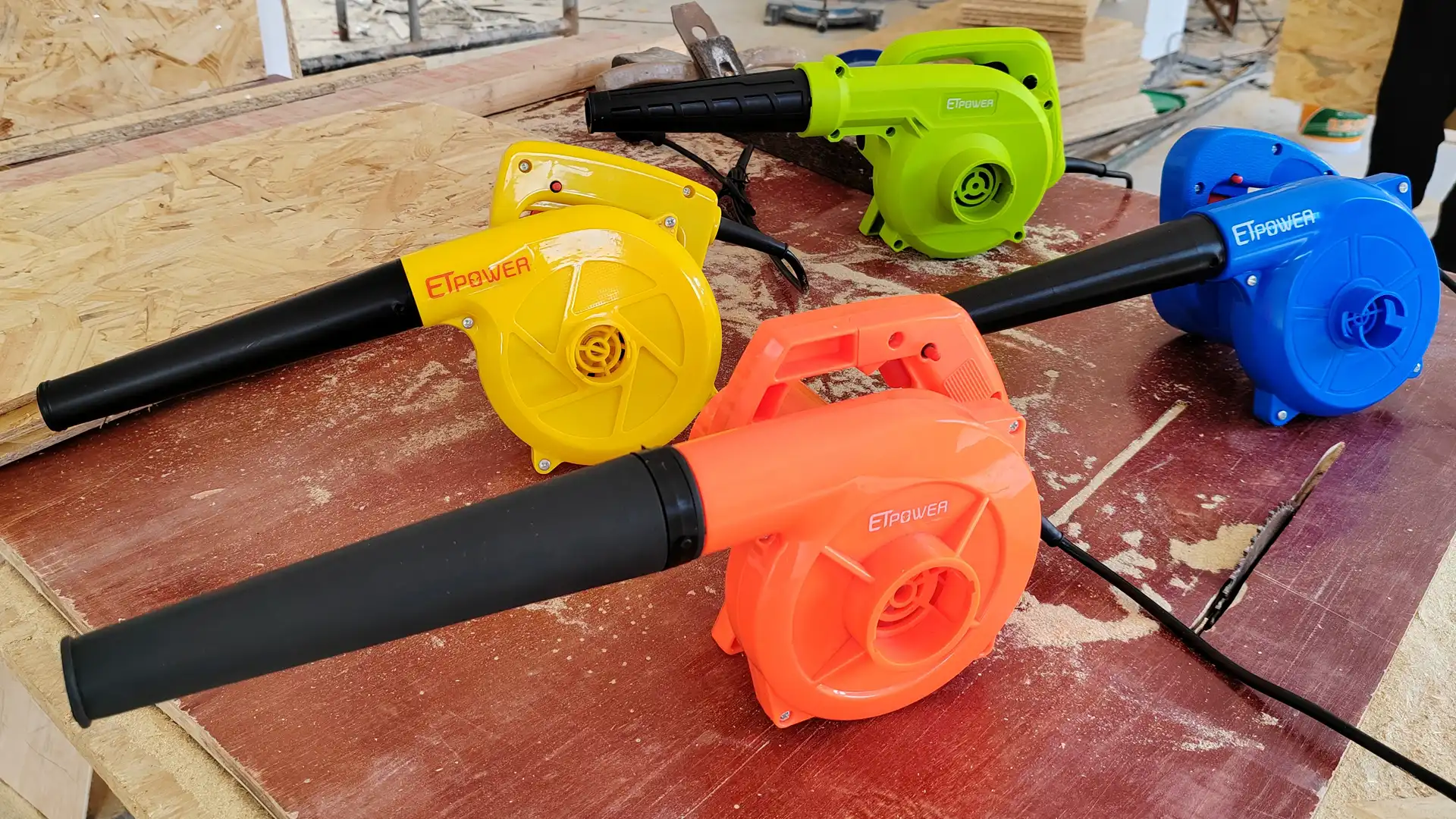
Electric blowers are categorized based on their design, portability, and primary use cases.
What are the different types of electric blowers?
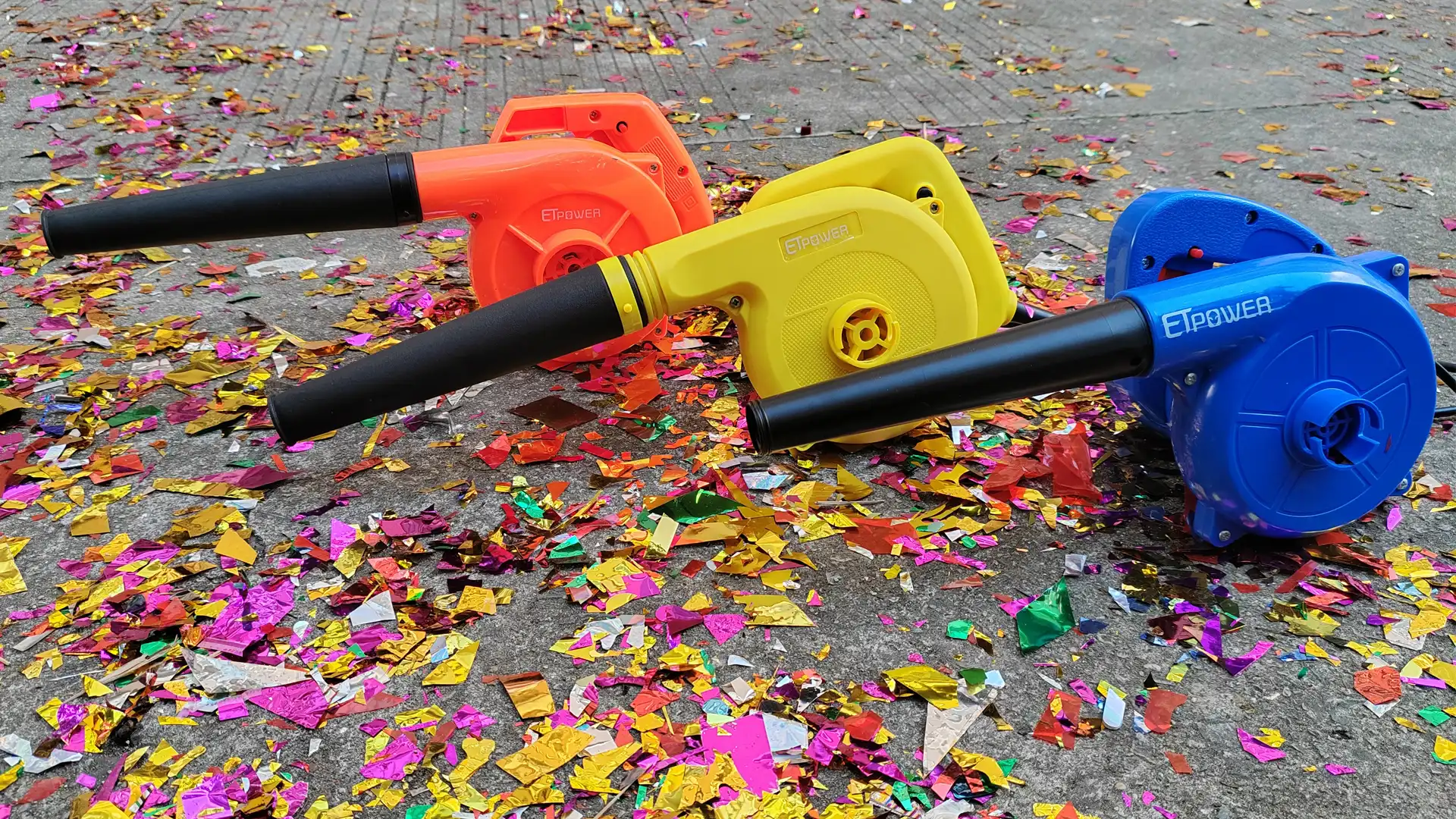
An electric blower is a power tool or device that employs an electric motor to drive a fan or impeller, generating a forceful, focussed jet of air. Its main purpose is to move air using electricity (rather than gasoline or other fuels) in order to circulate air, blow away debris, or offer ventilation.
What is An Electric Blower and What can it do?